Ductless Systems
Mini split installation cost, taken apart line by line
Mini split installation cost is quoted as one number and built from nine. Which nine, and how large each is, depends on how many rooms you are conditioning, how far the indoor unit sits from the outdoor one, and what your electrical panel has left. We also counted what people actually install. In the federal housing survey, 49.2 percent of homes with a mini split have exactly one indoor unit, which is not the job most price guides describe.
(844) 206-9145Toll-free and answered every day of the year. The call reaches an independent licensed and insured heating and cooling company covering your area. We do not install anything ourselves, which is why this page can tell you when one zone is enough.
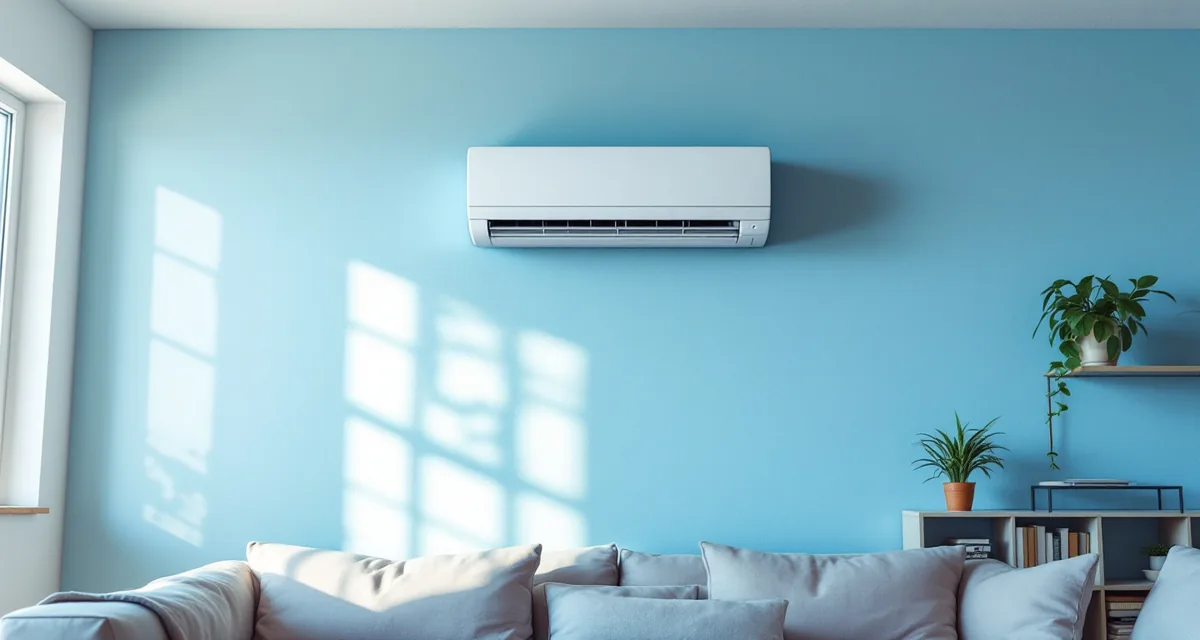
Mini split installation cost depends on which of three jobs you are pricing
- One room added to a house that already has heating and cooling. One indoor unit, one outdoor unit, one line between them. The commonest job by a wide margin.
- Several rooms. Two to four indoor units, and a decision about whether they share an outdoor unit.
- The whole house. A designed system, a load calculation for every room, and often a conversation about the electrical panel.
Why the same question gets such different answers
How much is a mini split, how much does a mini split cost, and how much does it cost to install a mini split are typed as if they were one question. They are three, because mini split cost, mini split system cost and mini split installation cost each stop at a different point. The first is a box on a pallet. The second is that box plus the parts that connect it. The third is all of it working on your wall with a permit closed, and that last figure is the only one that matters to a homeowner.
The spread you see quoted for cost to install mini split systems is mostly the spread between those three jobs, described as though it were a spread in price. A single room and a whole house are not the cheap and expensive ends of one purchase. They are different purchases. So the first thing to settle, before any mini split install cost means anything, is which job is yours.
We publish no price averages on this site. What we publish instead is what the mini split price is made of, in the order an installer builds it, so that a quote can be read rather than merely compared. That holds whether you are looking at a mini split ac cost for cooling only, a ductless mini split cost for a heat pump, or a ductless air conditioner cost for a single bedroom. A mini split ac installation cost, a mini split air conditioner installation cost, a ductless mini split installation cost and a ductless air conditioner installation cost are four names for one structure. How much to install a mini split and how much is a mini split system differ only in where the question stops, and a mini split air conditioner cost seen on a shelf is the first line of nine. People who type how much to install mini split equipment are asking for the last line, the total, without the eight before it.
Our Own Count
Our count: what a mini split is in real American homes
We tabulated the federal household energy survey ourselves, because the published tables say how many homes have a mini split and not how many units those homes have. The second number is the one a quote is built on.
What was counted
The Energy Information Administration's Residential Energy Consumption Survey interviews a national sample of households about the equipment in their homes and releases the anonymised answers as a public data file. The 2020 survey holds 18,496 households. We took every household that reported a ductless heat pump, the survey's term for a mini split, in any of four roles: main heating, secondary heating, main cooling or secondary cooling. That is 593 households, representing 3.3 million homes, or 2.7 percent of the country's housing. Every share below is weighted with the survey's own weights.
How many indoor units a mini split home has
| Indoor units | Share of mini split homes | Households in sample | Reads as |
|---|---|---|---|
| One | 49.2% | 280 | one room, one hole in the wall, one circuit |
| Two | 23.4% | 144 | two rooms, usually on one outdoor unit |
| Three | 12.5% | 73 | a floor of the house, or its bedrooms |
| Four or more | 14.8% | 96 | a whole-house system |
The part that changes what you do
Half of all mini split homes have one indoor unit, and 72.7 percent have one or two. Only 14.8 percent have four or more. If you are pricing a single zone, you are pricing the ordinary case, and a guide whose headline figure describes a multi-zone whole-house system is describing roughly one home in seven.
The second finding is about role. In 31.2 percent of these homes the mini split is secondary equipment only: it was added to a house that already had a main heating and cooling system. That is the room over the garage, the sunroom, the finished basement. In the other 68.8 percent it is the main system for heating, cooling or both, and even there 38.6 percent run on a single indoor unit.
And the equipment is young. Of the homes where a mini split is the main cooling system, 84.1 percent reported it as under ten years old in 2020. This is a product most installers have been fitting in volume for a decade or so, which is one reason quotes for identical work still vary as much as they do.
Where they are
| Census division | Homes with a mini split | Households in sample |
|---|---|---|
| New England | 6.8% | 141 |
| Middle Atlantic | 4.1% | 92 |
| Pacific | 3.4% | 107 |
| South Atlantic | 2.8% | 97 |
| Mountain South | 2.7% | 23 |
| West North Central | 2.3% | 38 |
| East South Central | 2% | 29 |
| West South Central | 1.4% | 26 |
| Mountain North | 1.4% | 20 |
| East North Central | 0.9% | 20 |
New England leads at 6.8 percent of homes, and the East North Central division trails at 0.9 percent. The pattern follows the housing: old houses heated by radiators or baseboard, with no ducts to put central air into, are where a ductless system is the natural answer. It also means that the number of experienced installers, and therefore the competition between them, differs a good deal by region.
What this count cannot tell you
- It is 2020. The survey is run every few years and this is the latest public file. Installations have continued since, so the share of homes is higher now. The mix of one unit against several is the more durable finding.
- It is a survey. People describe their own equipment, and some will have called a window unit a mini split or the reverse.
- Small rows are small. The division table rests on as few as twenty households in a row. Read those as rank order, not as precise percentages.
- It says nothing about price. The survey does not ask what anything cost. We use it for what people buy, and leave what they paid to their own quotes.
The Quote
What the installed price is made of
A mini split cost installed is nine lines. A quote that shows one of them is hiding eight.
Why we publish the lines and not a figure
The average cost of mini split installation is a number people ask for and nobody can honestly supply, because the average is taken across three different jobs. An average cost to install mini split equipment in one room tells a whole-house buyer nothing, and the reverse. What does not vary is the list. Every installation, from a bedroom to a whole house, is made of the same parts in different quantities, and a homeowner who knows the list can ask for the cost of mini split installation line by line.
The nine lines
| Line | What it is | What moves it |
|---|---|---|
| Equipment | The outdoor unit and the indoor unit or units. | Capacity, number of zones, efficiency rating, cold-climate rating. |
| Line set | The pair of insulated copper lines between the two, with the control cable. | Length. The single most variable material line on a single-zone job. |
| Electrical | A dedicated circuit, an outdoor disconnect and the wiring between them. | Distance from the panel, and whether the panel has room. |
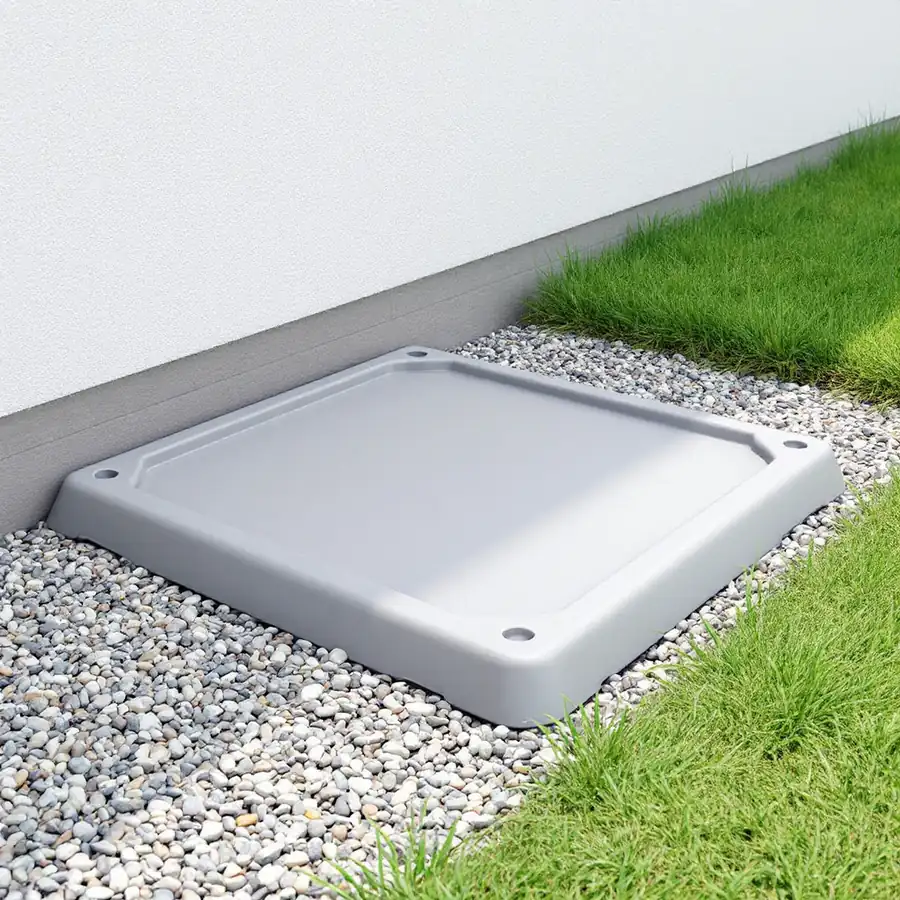
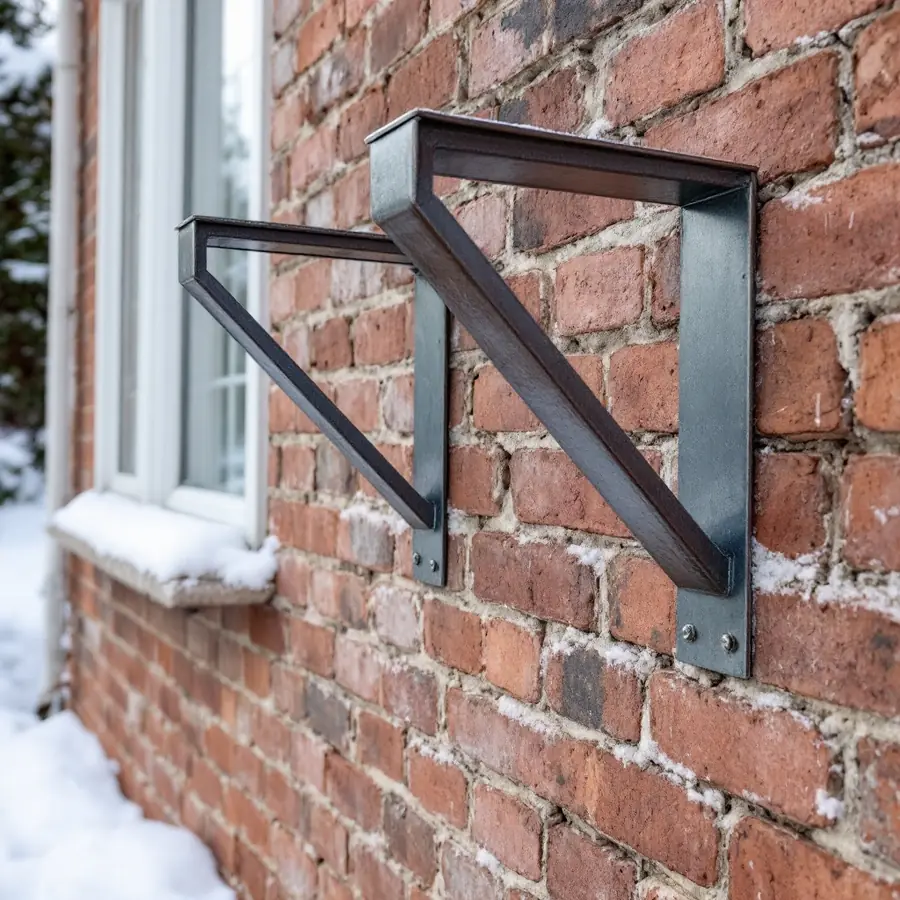
| Outdoor mounting | A pad on the ground or a bracket on the wall. | Snow depth, ground conditions, whether the wall can carry it. |
| Condensate | A drain line for the water the indoor unit removes from the air. | Whether it can fall by gravity or needs a pump. |
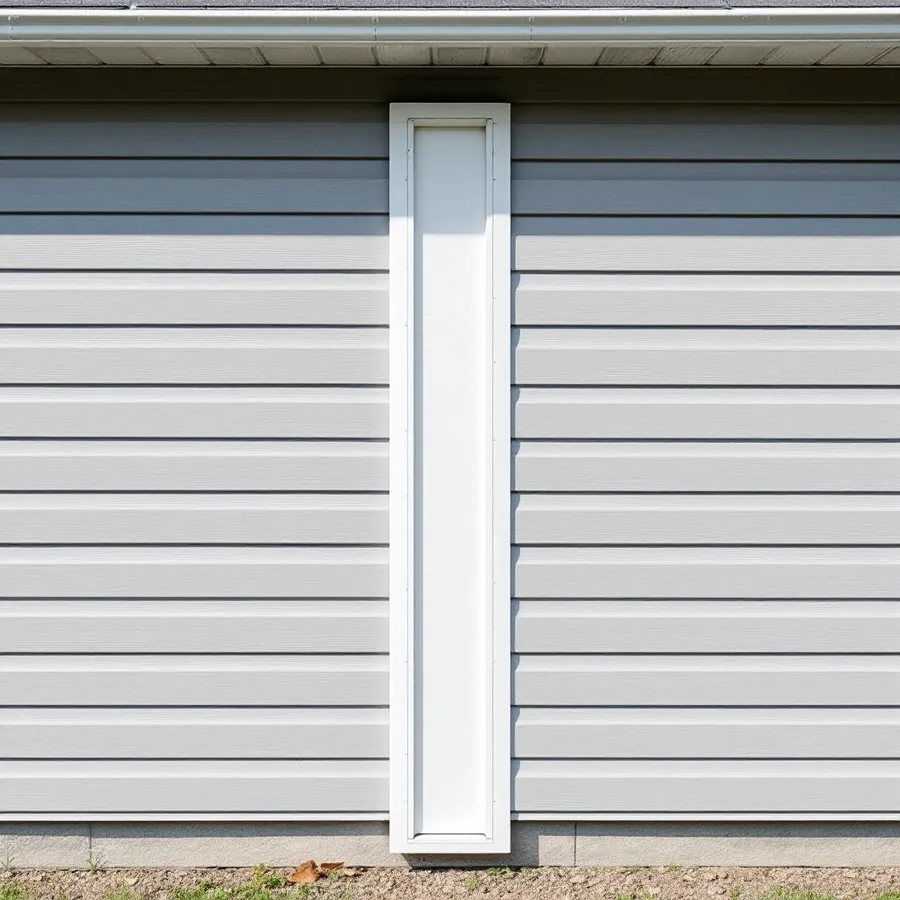
| Wall penetration | A hole a few inches across, sleeved and sealed, and a cover for the lines outside. | Wall construction: siding, brick, stone. |
| Labor | Mounting, routing, connecting, and making good. | Access, height, number of units, how tidy the finish has to be. |
| Permit | Mechanical, electrical, or both. | Your jurisdiction. |
| Commissioning | Pressure test, vacuum, refrigerant adjustment and start-up checks. | Line length beyond what the unit is pre-charged for. |
Unit cost against installed cost
A mini split unit cost is what you see on a retailer's page, and it is the first line only. The cost to have mini split equipment installed is the other eight. The gap between how much is a mini split installed and how much the box costs surprises people because the box is the visible part, and the labor, copper, wire and permit are not on the shelf. How much is mini split installation, on any given job, is the sum of those eight lines, and a contractor who will not show them separately is asking you to compare totals that may not describe the same work.
A calculator that gives lines, not a number
People search for a mini split cost calculator hoping for a figure. The honest version returns a list with your quantities on it: this many indoor units, this length of line, this distance to the panel, a pump or no pump. The tool further down this page does exactly that. Put a contractor's rates against it and the arithmetic is yours.


The Multiplier
Zones are the multiplier: 2 zone, 3 zone and 4 zone mini split installation cost
Each indoor unit repeats most of the lines above. That is why the number of zones decides more than the brand does.
What a zone repeats
Every additional indoor unit brings its own line set, its own drain, its own hole in the wall and its own share of labor. A 2 zone mini split installation cost is therefore not the single-zone figure plus a second box. It is close to two of everything except the outdoor unit and the permit. A 3 zone mini split installation cost and a 4 zone mini split installation cost continue the same way, with one difference that grows with each zone: the lines get longer, because the rooms get further from wherever the outdoor unit stands.
One outdoor unit or several
A multi zone mini split installation can be built two ways. One larger outdoor unit can feed several indoor units, or each room can have its own complete single system. The first uses less space outside and one electrical circuit. The second costs more in equipment and wiring, runs each room independently, and means that a fault in one system leaves the others working. Neither is the right answer everywhere, and a contractor who offers only one of them has usually chosen for their own convenience.
Where the labor goes on three zones
The labor cost to install 3 zone mini split equipment is not three times the labor on one. The outdoor work is done once. The indoor work is done three times, and the routing between them is where the hours accumulate, because lines for a far bedroom have to travel through an attic, a basement or along the outside of the house. Ask how each line set is routed and how long each one is. Those two answers explain most of the difference between two multi-zone quotes.
What our count says about zones
In the survey, 49.2 percent of mini split homes have one indoor unit, 23.4 percent have two, 12.5 percent have three and 14.8 percent have four or more. If a salesperson's first proposal for a house with one uncomfortable room is a four-zone system, the survey suggests that is not how most people solve the problem.
Capacity
Size: BTU, tons and the cost of a mini split system by square feet
Floor area is the number everyone has and the wrong one to size from.
Why square feet is not the input
The cost of mini split system for 500 sq ft, the cost of mini split system for 1000 sq ft, and the same for a 1500 sq ft house or a 2000 sq ft house are asked constantly, and each of those areas can need very different equipment. A 500 square foot room over a garage with three outside walls and old windows can need more capacity than 1000 square feet in the middle of a well insulated house. The cost of mini split system for 1,000 sq ft in Maine and in Georgia is not the same question, because one is being sized for heating and the other for cooling.
What sizing actually asks
ENERGY STAR's guidance is that properly sized equipment is essential and that a contractor should verify the size using a load calculation known as Manual J. That calculation takes the insulation, the windows and which way they face, the air leakage, the climate, and the number of people. Area goes in as one input among many. A quote sized from floor area alone, by a rule of so many BTU per square foot, is a guess, and it usually guesses high.
Why too large costs more twice
A larger unit costs more to buy. It also runs in short bursts, which removes less moisture in summer and wears the equipment harder. On a whole-house system, asking to see the load calculation is the cheapest protection there is. On a single room, ask what the capacity is, in BTU, and how it was arrived at.
Capacity and electrical size move together
Larger units draw more current, and past a certain size they need a larger circuit and heavier wire. That is how a decision about capacity turns up again on the electrical line of the same quote.
The Hours
Labor cost to install a mini split: where the hours go
The labor cost to install mini split equipment is the line homeowners most want to negotiate and least understand.
How a mini split is installed, in order
Place the indoor unit
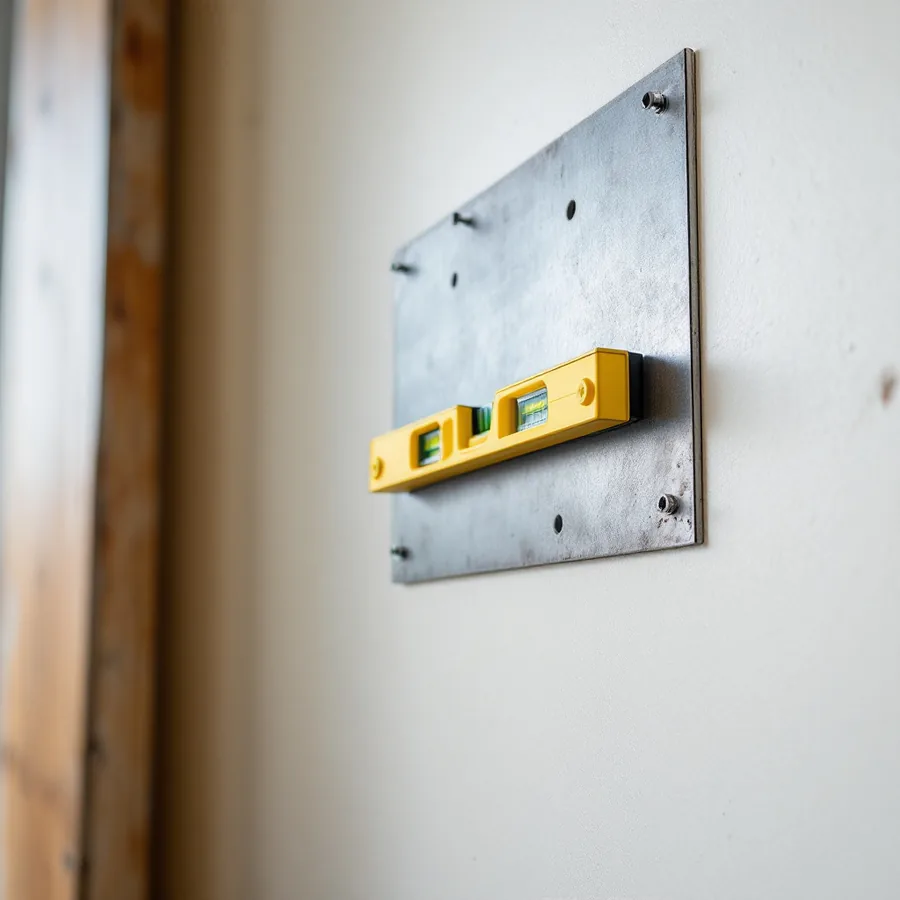
A mounting plate is fixed level to the wall, high up, clear of obstructions, on a wall that can take the hole.
Make the penetration
A hole through the wall behind the unit, sloped slightly outward so water cannot run in, then sleeved.
Set the outdoor unit
On a pad or a wall bracket, level, with clearance around it and above expected snow.
Run and connect the lines
Copper lines, control cable and drain are routed between the two units and the joints made.
Wire it and commission it
Circuit and disconnect, then a pressure test, a deep vacuum, release of the refrigerant, and a check of operation in each mode.
Which steps need a licence
That sequence is what a mini split installation diagram shows, and it answers how is a mini split installed without the jargon. The first three steps are carpentry and care. The last two are where the trade licence, the electrical licence and the refrigerant certification come in.
How long it takes
How long does it take to install a mini split depends almost entirely on the route. A single unit on an outside wall, with the outdoor unit directly below it and the panel nearby, is the short job. The same unit on an inside wall, with lines through an attic and a panel at the far end of the house, can take a crew several times as long. When two quotes for the same equipment differ widely on labor, ask each contractor to describe the route. They are frequently pricing different routes.
What good labor looks like afterwards
Lines enclosed in a cover that runs straight and is fixed properly. A drain that falls all the way. A hole sealed around the sleeve. An outdoor unit that is level. None of this is cosmetic. A drain with a dip in it is next summer's water stain, the kind our maintenance page traces back to its cause, which is the subject of our page on an air conditioner that is not cooling and the faults that travel with it.

A Second Trade
The electrical work is a second trade
The line that most often turns a reasonable quote into an unwelcome one.
What the equipment needs
A mini split is a fixed appliance and is normally wired on its own dedicated circuit, with a disconnect switch outdoors within sight of the unit so that someone servicing it can cut the power. Your local electrical inspector decides the specifics. What matters for the quote is that this is real electrical work: a new breaker, a cable run from the panel to the outside wall, a weatherproof disconnect, and a connection to the unit.
Three questions that set the price
- How far is the panel? The cable is priced by length and the labor by how hard the route is. A panel on the opposite side of a finished house is a different job from one on the same wall.
- Is there room in the panel? A full panel needs space made, and an old or undersized service may need upgrading before anything can be added.
- Who is doing it? Some heating and cooling contractors are licensed for the electrical work. Many subcontract an electrician. Either is fine. It should be visible on the quote as its own line.
Why this is worth settling first
If the panel cannot take another circuit, that is discovered either at the quote or on installation day, and the second is the expensive way to find out. Photograph your panel with its door open, including the label, and send it with your request for a quote. A contractor who asks for that picture before pricing has done this before.
Location
Where it goes changes the job: garage, addition, attic, basement
The same unit costs different amounts to install in different rooms, and a few rooms are a poor idea altogether.
The garage
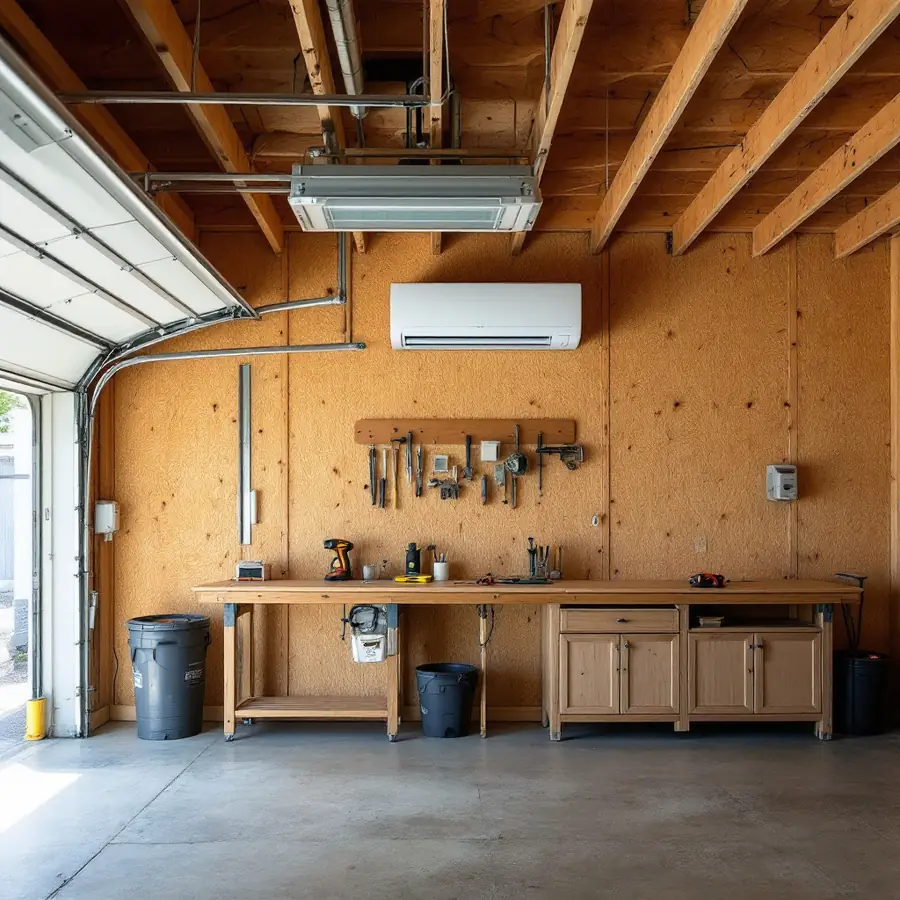
The cost to install mini split in garage spaces is usually low on the installation side and misjudged on the sizing side. Garage mini split installation is easy work: bare walls, open framing, a short route outdoors. But a mini split for garage cost has to account for an uninsulated door, unsealed walls and a concrete slab, which together make the room far harder to heat or cool than its area suggests. Ask whether the size quoted is for the garage as it stands or as it would be once insulated, and consider which of those you would rather pay for.
Additions, sunrooms and finished attics
ENERGY STAR lists additions and outbuildings, where extending ductwork or capacity is difficult, among the situations a ductless system suits. These rooms were never part of the original system's sizing, and a dedicated unit is often cheaper than reworking the ducts. Expect longer line sets, and in an attic room expect a drain that needs a pump because there is nowhere for water to fall.
The basement
A basement is below grade, so the lines have to come up to reach an outdoor unit and the drain has to be lifted. Both are solved routinely. Both add a line to the quote.
Where should you not install a mini split
- Directly above a bed, a desk or electronics. The drain is inside the unit, and a blocked one drips.
- Where the air is thrown straight at a wall, a beam or a door. The unit will sense its own air and stop early.
- In a kitchen above the range. Grease coats the coil.
- Outdoors under a roof edge that sheds snow or ice, or at ground level where snow drifts over it.
- In a room it is expected to share. One unit conditions the space it can see. It does not push air down a hallway.
Hidden and ducted versions
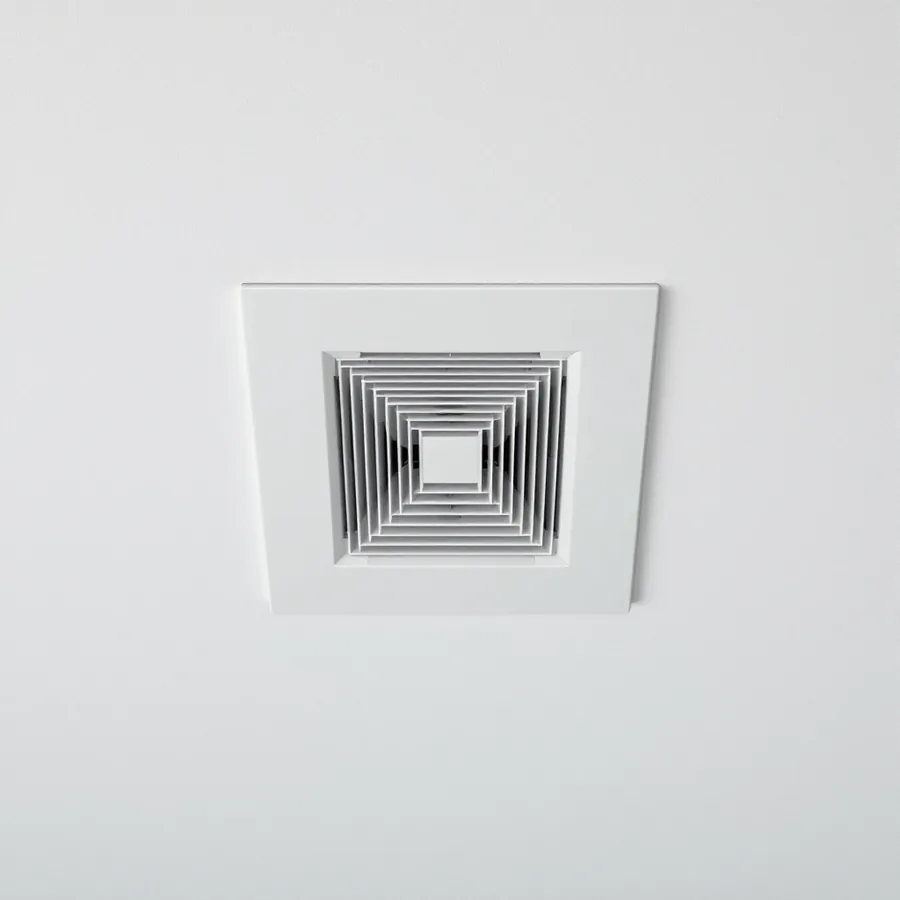
Not every indoor unit hangs on a wall. Concealed duct mini split installation puts a small air handler above a ceiling or in a closet with short ducts to one or more rooms, and ducted mini split installation follows the same idea on a larger scale. They suit people who do not want a unit on the wall, they need ceiling or closet space, and the ductwork adds its own line. Our page on ductwork covers what that involves.

The Alternative
Mini split vs central air cost
The comparison turns on one fact about your house, and it is not the equipment.
If the ducts already exist
A house with sound ducts and a working furnace or air handler already owns the expensive half of a central system. Replacing the outdoor unit and coil uses what is there. In that house a mini split vs central air cost comparison usually favours central for the whole house, and favours a mini split for the one room the ducts never served well.
If there are no ducts
A house heated by radiators or baseboard has nowhere to put central air without building a duct system through finished rooms. That work, not the equipment, is what makes central air expensive in an old house, and it is why ductless systems are commonest in exactly the regions our count shows. ENERGY STAR names older homes with no existing ductwork as a standard case for them.
The comparison people forget
| Your house has | Central air has to add | Mini split has to add |
|---|---|---|
| Good ducts and a furnace | Outdoor unit and coil | Every indoor unit, every line set |
| Leaky or undersized ducts | Outdoor unit, coil and duct repair | Every indoor unit, every line set |
| No ducts at all | A complete duct system, plus equipment | Indoor units and line sets only |
| One room that is never comfortable | Rework of the existing ducts | One indoor unit, one line set |
Our page on what a full system replacement involves works through the central side of that table.

Your Own Hands
Can I install a mini split myself: what DIY saves and what the law reserves
Part of this job is ordinary work and part of it is regulated. Knowing where the line falls is most of the answer.
What is ordinary work
Can you install a mini split yourself? Much of it, yes. Installing mini split equipment, or installing a mini split as most people put it, begins with fixing a mounting plate, drilling a hole, setting the outdoor unit on a pad or bracket, and running the drain. None of that is beyond a careful person with the right drill and a helper. How hard is it to install a mini split depends on the wall, the height and the route, and guides on how to install a mini split, how to install a mini split system, how to install a mini split air conditioner, how to install mini split ac equipment, or how to install a ductless air conditioner cover these steps well.
What is regulated
The refrigerant circuit is different. The Environmental Protection Agency's Section 608 rules require certification for technicians who maintain, service, repair or dispose of this kind of equipment, and they define the work to include attaching and detaching hoses and gauges to measure pressure, and adding or removing refrigerant. A conventional installation involves exactly those steps. That is the part of the job a homeowner cannot simply decide to do.
What the DIY kits change
DIY mini split installation products exist because of that rule. A mini split installation kit of this kind ships with line sets that are already charged and sealed, joined with connectors that do not require gauges. Mini split installation DIY with one of those systems avoids the regulated step, at the cost of fixed line lengths: the lines come in set sizes and the surplus has to be coiled somewhere. The electrical work and the permit remain whatever your jurisdiction says they are.
What it saves, and what it risks
DIY removes most of the labor line and none of the others. It can also remove the manufacturer's warranty, since many brands require installation by a licensed contractor, and it leaves you without a contractor to call when something is wrong. Read the warranty terms before you buy the equipment. That one paragraph decides more than the price difference does.
The half-and-half arrangement
Some homeowners mount everything themselves and hire a technician to connect and commission it. It is a real arrangement, and many contractors refuse it, because they would be putting their licence on work they did not do. If that is your plan, find the willing technician first.
Paperwork
Do you need a permit to install a mini split
Usually yes, and usually two kinds. The rule is local, which is why no page can answer it for you.
Why two
Do I need a permit to install a mini split is really two questions. The equipment is a mechanical installation, and the new circuit is an electrical one, and many building departments issue a permit for each. Some combine them. A few exempt small like-for-like work. The department that covers your address is the only authority, and it will tell you over the phone.
What the permit buys
An inspection of the electrical connection and the disconnect, a record that the work was done to code, and something to show a buyer or an insurer later. On a quote it should appear as a line, pulled by the contractor in their own name. A contractor who suggests skipping it, or asks you to pull it yourself, has told you something about their licence.
DIY does not remove it
Doing the work yourself changes who applies, not whether an application is needed. Many departments let a homeowner pull a permit for work on their own house and still require the inspection.
Check The Date
Tax credits in 2026: the federal credit has ended
A great many pages on this subject still describe a credit you can no longer claim on new work.
What the Internal Revenue Service says
The federal Energy Efficient Home Improvement Credit, which covered 30 percent of the cost of a qualifying heat pump up to $2,000 a year, applied to improvements made through December 31, 2025. The IRS page for the credit, last reviewed in April 2026, states that you can claim it for improvements made through that date. A system installed in 2026 is outside it.
Why this shows up in quotes
Sales material is slow to change. If a quote or a brochure subtracts a federal credit from the price of work that has not been done yet, ask which year's rule it relies on. For a system placed in service in 2025 the credit is claimed on that year's return. For anything later, the subtraction is not there to be made.
What may still exist
State programs and utility rebates are separate from the federal credit and are run locally. They change often and some are generous. Ask your electric utility directly, and ask the contractor to name the specific program rather than a general discount, so that you can confirm it yourself.
A Rule Change
The refrigerant change and what it does to a quote
New equipment uses different refrigerant from the systems sold a few years ago, and that is worth one question.
What changed
Under the Environmental Protection Agency's technology transition rules, new residential air conditioning and heat pump systems are limited to refrigerants with a global warming potential of 700 or less from January 1, 2025. The refrigerant that most systems used before that date is well above the limit, so manufacturers moved to newer ones.
What it means for you
For a new installation, very little: you get current equipment. The question worth asking is whether the unit being quoted is current production or older stock, because the two use different refrigerants and the older one will become harder to service over the life of the system. The same agency notes that components used to repair existing systems are not subject to these restrictions, so an older system you already own can still be serviced.
Why line length matters more now
Units ship charged for a stated length of line. Beyond that, refrigerant has to be added on site, by weight, by a certified technician. A long route is therefore a longer line set and an additional charge, and both belong on the quote.
The Other Cost
What it costs to run: how much electricity does a mini split use
Installation is paid once. This one is paid every month.
The arithmetic, with your numbers
How much does it cost to run a mini split is a multiplication of three things you can find. The power the unit draws, in kilowatts, which is on its data plate and in its specification sheet. The hours it runs. And the price you pay per kilowatt-hour, which is on your electric bill. Multiply them. That answers how much power does a mini split use in your house, at your rate, rather than in someone's national example.
Why the plate number overstates it
Modern mini splits vary their output. They run hard to reach temperature and then throttle down to hold it, so the average draw over a day is well below the maximum on the plate. How much energy does a mini split use in practice depends on how well the room holds its temperature, which brings the question back to insulation and to sizing.
Against what it replaces
ENERGY STAR states that ductless heat pumps use up to 60 percent less energy than standard home electric radiators. Against electric baseboard heat, that is the comparison that matters, and it is the reason these systems are recommended for homes with costly electric heat. Against a modern gas furnace or an efficient central heat pump the gap is much smaller, and our page on heat pumps sets out that comparison.
Ownership
After year one: mini split repair cost, maintenance cost and replacement cost
Three lines that are not on the installation quote and belong in the decision.
Maintenance
Mini split maintenance cost has a part you can do and a part you cannot. The washable filters behind the front panel are yours, monthly in heavy use. The deep clean of the indoor coil and blower wheel, and the check of the drain and the refrigerant pressures, is a technician's visit. A unit with several heads multiplies the cleaning, which is worth knowing before choosing four zones over two. Our page on mini split maintenance sets out which part is yours and how often each part comes due, and heating and cooling maintenance covers systems with ducts.
Repair
Mini split repair cost is shaped by parts as much as by labor. These systems use manufacturer-specific control boards, sensors and motors, and a contractor who does not carry the brand may have to order them. Before buying, ask who in your area services that make and how long parts take. A little-known brand bought cheaply online can be an expensive thing to own in its fifth year.
Replacement
Mini split replacement cost, years from now, will be lower than the first installation if the route, the circuit and the penetration can be reused. Whether the lines themselves can be reused depends on their size, their condition and the refrigerant, which is another reason to keep the paperwork from the first job.
Heating
Mini split heat pump cost: heating changes the specification
A unit bought to cool a room in July and a unit bought to heat it in January are not the same unit.
Cooling only against heat pump
Most mini splits sold now are heat pumps, meaning they heat as well as cool. A mini split heat pump cost is somewhat above a cooling-only unit of the same capacity, and a mini split heat pump installation cost is nearly identical, because the copper, the wire and the labor do not change. So a mini split ac and heat installation cost differs from a cooling-only installation mainly on the equipment line.
The cold-climate question
Where the unit is expected to heat through a real winter, the specification matters a great deal. ENERGY STAR's certification for cold-climate air source heat pumps requires verified performance down to 5 degrees Fahrenheit, and it notes that a system will keep working below that but heats most efficiently when paired with a back-up source at lower temperatures. A mini split ac and heat cost for a cold-climate model is higher. In the north it is the difference between a heat pump mini split installation that carries the house and one that needs help in January.
What to ask
Ask for the heating capacity at your design temperature, not the nominal figure. A unit rated for a given output in mild weather delivers less as it gets colder, and the specification sheet says how much less. A contractor who quotes the nominal number for a heating job in a cold state has not answered the question.
Work It Out
Work out what your quote should contain
Three questions, nothing sent anywhere. What comes out is what the survey says about a job like yours, the lines your quote should show, what your location adds, and where the law draws the line on who does the work.
We are paid the same fixed fee for an introduction whether you end up with one indoor unit or five, which is why this tool starts from the smallest job that solves the problem.
The Short List
Questions to ask a mini split installation company
A mini split installation service that does this work properly has a short answer to each.
- Will you break the quote into equipment, line set, electrical, mounting, drain, labor and permit? Seven figures at least.
- How long is each line set, and what route does it take? The answer explains the labor.
- How did you arrive at the capacity? A load calculation, or a rule of thumb.
- Is the electrical work yours or an electrician's, and is it included? The commonest surprise.
- Does the drain fall by gravity or need a pump? A pump is a part that fails.
- Who pulls the permit? The contractor, in their name.
- Is this current-production equipment, and who services this brand locally? Two questions about year five.
- What is the heating capacity at my design temperature? For any unit expected to heat.
Whether you are calling a mini split installation company, a ductless mini split installation company, a firm advertising ductless mini split ac installation services or ductless mini split air conditioner installation, or one of the ductless mini-split installers in a regional directory, the list is the same. Mini split heat pump installers who do cold-climate work will answer the last question without looking it up.
What we do, and what we do not
We are a referral service, not a heating and cooling company. We connect homeowners with independent licensed and insured companies and we are paid a fixed fee for the introduction. We do not install equipment, set anyone's prices, or favour a brand.
Straight Answers
Questions people ask about mini split installation cost
How much does it cost to install a mini split?
It is the sum of nine lines: equipment, line set, electrical circuit and disconnect, outdoor mounting, condensate drain, wall penetration, labor, permit and commissioning. We do not publish an average, because the figure for one room and the figure for a whole house describe different jobs rather than a cheap and an expensive version of one. Ask each contractor for those lines separately and you can compare like with like.
How many zones do most homes have?
Fewer than price guides suggest. In our tabulation of the federal household energy survey for 2020, 49.2 percent of homes with a mini split had one indoor unit, 23.4 percent had two, 12.5 percent had three and 14.8 percent had four or more. One or two zones accounts for 72.7 percent of mini split homes, so a single-zone or two-zone job is the ordinary case.
Is there a federal tax credit for a mini split in 2026?
Not for new work. The federal Energy Efficient Home Improvement Credit covered 30 percent of a qualifying heat pump up to $2,000 a year, and the Internal Revenue Service states it can be claimed for improvements made through December 31, 2025. A system installed in 2026 falls outside it. State and utility rebates are separate programs and may still apply, so ask your electric utility directly.
Can I install a mini split myself?
You can do the mounting, the wall penetration and the drain. The refrigerant work is regulated: Environmental Protection Agency rules require certification for attaching gauges to the system and for adding or removing refrigerant. Systems sold for homeowner installation avoid that step with pre-charged, sealed line sets. Check your local permit rule and the manufacturer's warranty terms first, because many warranties require a licensed installer.
Do I need a permit to install a mini split?
In most places, yes, and often two: a mechanical permit for the equipment and an electrical permit for the new circuit. The rule is set by the building department that covers your address, and it is the only authority on the question. A contractor should pull the permit in their own name and show it as a line on the quote.
Is a mini split cheaper than central air?
It depends on whether your house already has ducts. With sound ducts and a working furnace or air handler, central air reuses what is there and usually costs less for the whole house. With no ducts, central air has to build a duct system through finished rooms, and a ductless system avoids that work entirely. For one room that the existing system never served well, a single mini split is usually the smaller job.
What size mini split do I need for 1,000 square feet?
Floor area alone does not answer it. Insulation, windows and which way they face, air leakage, climate and whether the unit is mainly heating or cooling all change the capacity needed. ENERGY STAR advises that a contractor verify the size with a load calculation called Manual J. A quote sized only by BTU per square foot is an estimate, and it tends to come out too large.
How much does it cost to run a mini split?
Multiply the power the unit draws in kilowatts by the hours it runs and by your price per kilowatt-hour. The draw is on the data plate and the rate is on your electric bill. Because these units vary their output, the average draw is well below the maximum on the plate. ENERGY STAR states that ductless heat pumps use up to 60 percent less energy than standard electric radiators.
Where should a mini split not be installed?
Not directly above a bed, a desk or electronics, since the drain is inside the unit. Not where it blows straight at a wall or beam, not over a kitchen range, and outdoors not under a roof edge that sheds snow or where drifts will cover it. And not in a spot from which it is expected to condition rooms it cannot see: one indoor unit serves one open space.
Where This Comes From
Sources and method
- Our own count of mini split homes, tabulated from the public microdata file of the U.S. Energy Information Administration Residential Energy Consumption Survey 2020: 18,496 households, weighted with the survey's own weights. Method and limits are in the file published beside this page.
- The federal tax credit and its end date: Internal Revenue Service, Energy Efficient Home Improvement Credit, page last reviewed or updated 28 April 2026.
- Who must be certified to handle refrigerant: Environmental Protection Agency, Section 608 Technician Certification Requirements.
- The refrigerant limit for new systems: Environmental Protection Agency, Technology Transitions HFC Restrictions by Sector.
- Where ductless systems suit, sizing and cold-climate performance: ENERGY STAR, Ductless Heating and Cooling.
Our editorial standards explain how we source and check what we publish. Every source above was read on the day of publication. Nothing here is tax, legal or electrical advice: a credit is decided by the tax rules for the year the work is done, and a permit by your own building department. The survey shares are our own tabulation of a federal data file and their limits are stated where they are presented. We publish no price averages and no brand rankings. We are a referral service rather than a heating and cooling company. Last updated .
Before you call anyone
The flat-fee match — we are paid for the introduction, not for the size of your job
Most heating and cooling advice is written by the company that wants to do the work. That is not a failing of the people who read it; it is a defect in who is talking: the diagnosis, the estimate and the invoice come from one party, and no amount of care on your side fixes that.
We are built the other way round. We do not repair, install or sell equipment, so the payment reaches us when you are connected to a licensed, insured heating and cooling company — the same amount whether you need a forty-dollar capacitor or a whole new system. Nobody here has a reason to talk you into the larger number. You can check that rather than take it on trust: how we make money is written down, and this site keeps telling readers when not to buy — that a heat pump may not pay off on cheap gas, that most people should buy a hygrometer before a humidifier, that the federal order puts air cleaners last. Why does not everyone work this way? Because a flat fee leaves money on the table every time the job turns out to be big.
Waiting is the one thing that actually costs money. A system that fails in the first heatwave or the first hard freeze puts you in the overtime queue — the federal occupational handbook says this trade works overtime in peak season, and you pay for it. A refrigerant leak on a running system takes the compressor with it; a blocked condensate drain becomes a ceiling. And if it turns out to be a filter, say so on the call. We will tell you, and that call earns us nothing.
Not for you if: you want a price over the phone — nobody honest gives one without seeing the house; you need a guarantee of same-day arrival — we cannot promise that for a company we do not run; the building is commercial; or you would rather do it yourself, in which case the pages on this site are written so that you can.