Heating & Cooling, Researched
Heating and cooling, diagnosed before you pay
Your air conditioner is not cooling, and the first quote you get will probably be for a system. Before that, it is worth knowing what the symptom actually points at — because the answer is often a filter, a capacitor or a duct, and none of those is a new system.
Most heating and cooling advice is written by the company that wants to do the work. That is not a failing of the people who read it — it is a defect in who is talking. We do not repair, install or sell equipment, so nothing here has to end in a new system. When the answer is a twelve-dollar filter, we would rather say so.
air conditioning
U.S. Dept. of Energy
Four things that decide what this costs you
- Whether the fan is running. The single most useful observation in this trade. Air moving but not cold points at the outdoor half of the system; nothing running at all points at power, controls or a safety switch. It halves the search before anyone opens a panel.
- Whether the problem is the equipment or the ducts. One warm room while the rest of the house is comfortable means cold air is being made and is not arriving. That is a distribution problem, and replacing equipment does not fix it — which does not stop it being sold as the answer.
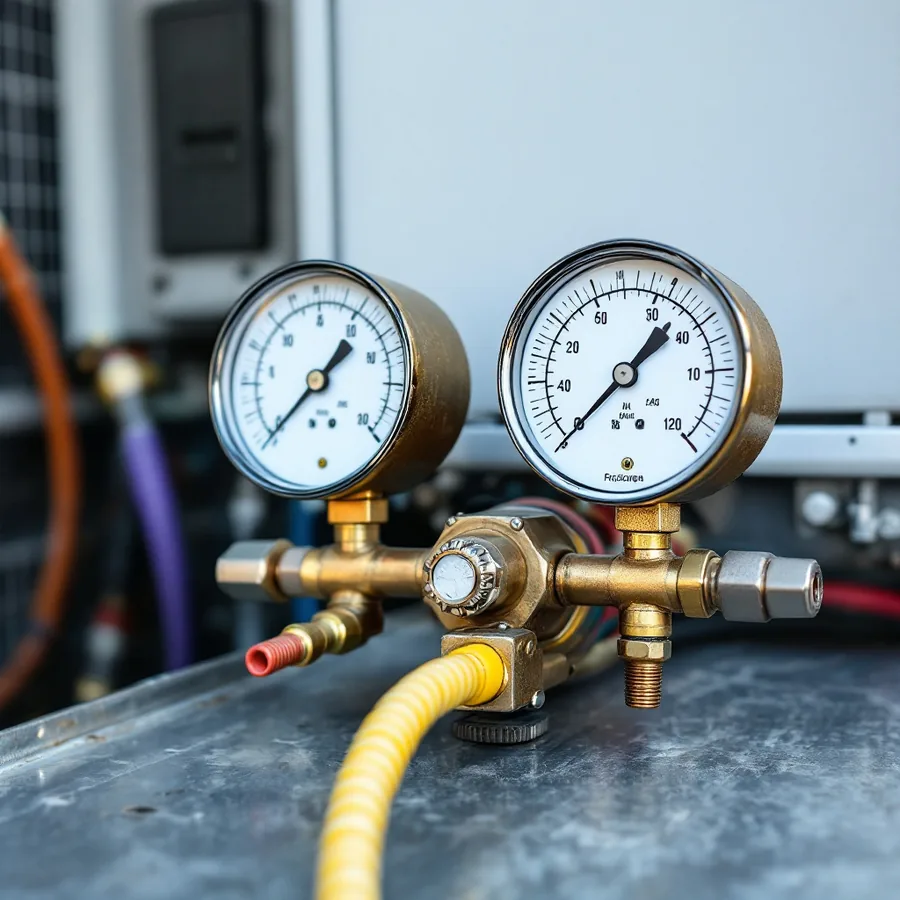
- Whether anyone measured anything. A diagnosis is a set of numbers: static pressure, temperature split, airflow, charge. A quote produced without them is a guess with a price on it.
- Whether “low on refrigerant” came with a plan to find the leak. A sealed system does not consume refrigerant. Topping it up is buying the same repair twice.
Start Where You Are
Start with the symptom, not with a service
Nobody wakes up wanting HVAC repair. They wake up warm. So the useful entry point is what you can see and hear, and what each of those narrows down.
Blowing, but not cold
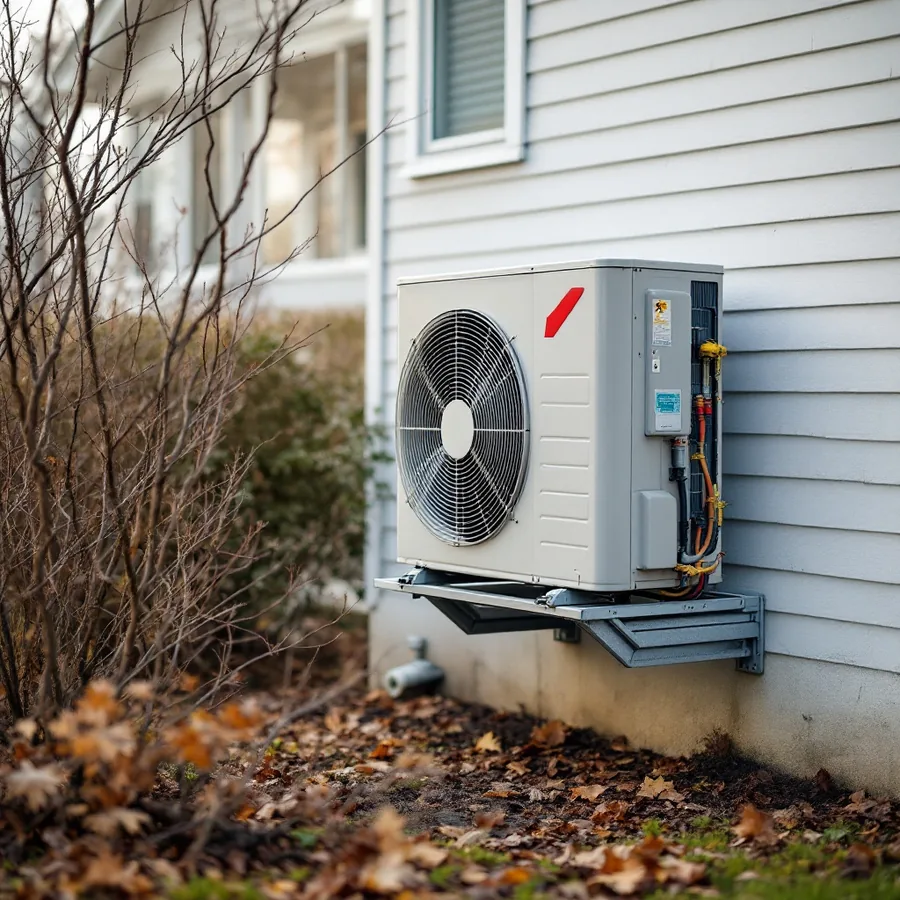
The commonest description there is. The indoor blower is fine and heat is not being removed, which puts the fault outdoors: the condenser fan, the capacitor that starts the compressor, the contactor, or the refrigerant charge. What the fan is telling you.
Ice on the pipe
A frozen coil cannot cool and cannot be diagnosed until it thaws. The first move is counter-intuitive and free: cooling off, fan on, wait. Why it freezes and what it costs to keep running.
Warm upstairs, fine downstairs
Almost never the air conditioner. Ducts, dampers, and return air that cannot get back out of the room. The measurement that settles it.
Nothing runs at all
Thermostat, breaker, the outdoor disconnect, the switch by the furnace that looks like a light switch, or a float switch that shut everything down because a drain blocked. The ten-minute check.
Water where it should not be
Condensate that is not draining, or a coil that has been freezing and thawing. Switch it off, particularly if the unit sits above a ceiling. Reading the secondary signs.
It starts and stops constantly
Short cycling. A safety switch tripping, a badly placed thermostat, or equipment too big for the house. Hard on the compressor, and every likely cause is a measurement rather than a look.
Where The Money Actually Goes
Three questions decide what you spend
Not the brand, and not the SEER number on the sticker. These three, in this order.
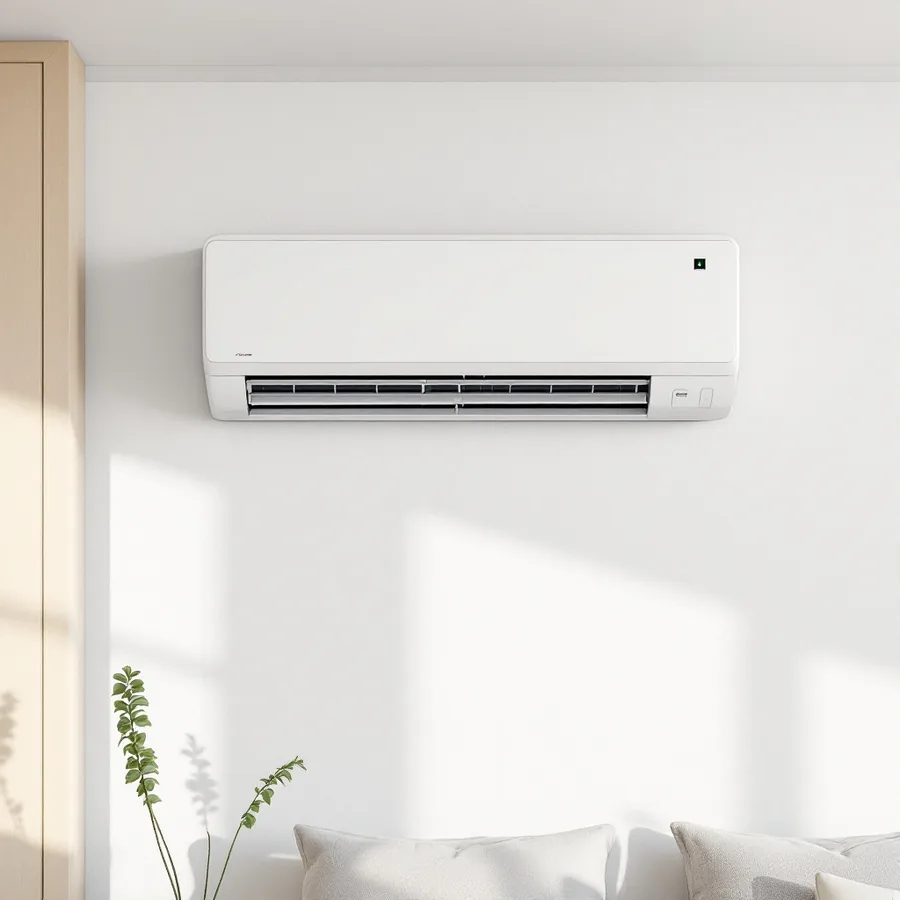
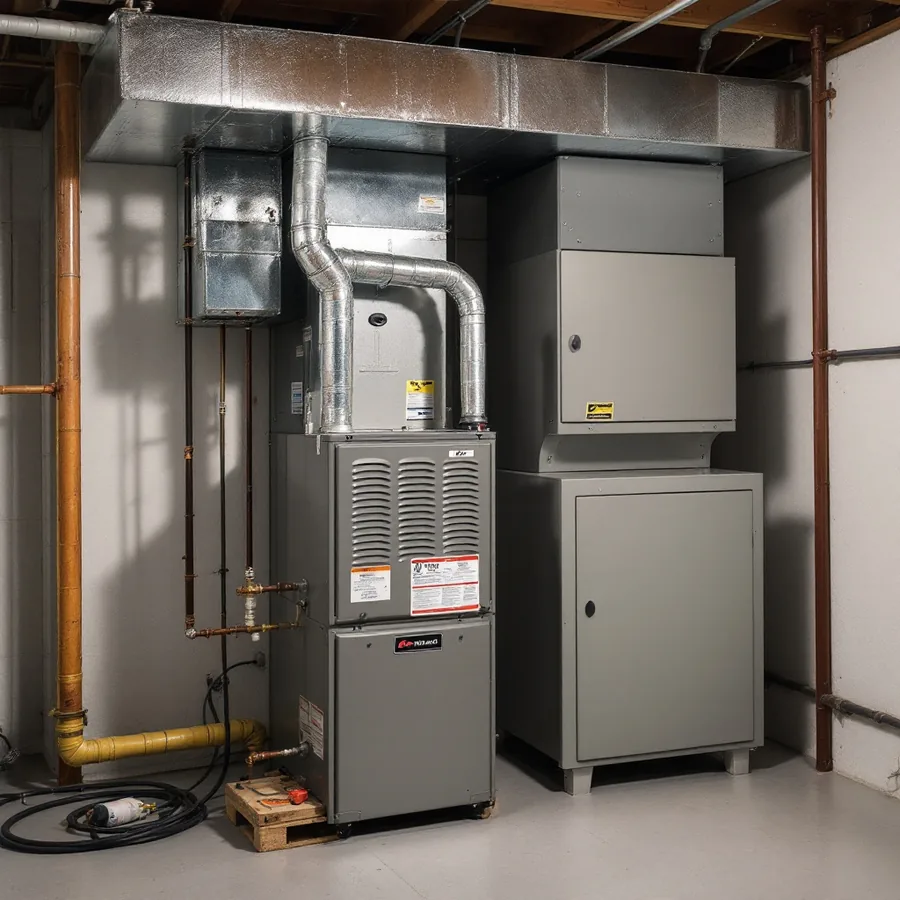
Is this repair worth making?
The answer is not a formula. It depends on what specifically failed, how much life the rest of the equipment has, and what the same money buys if you spend it on a replacement instead. A capacitor on an eight-year-old system is an easy yes. A compressor on a fifteen-year-old system is a different conversation, and it becomes a different one again if the equipment uses a refrigerant that is being phased down.
What size does this house actually need?
Bigger is not better and is a genuine failure mode. An oversized system satisfies the thermostat quickly, shuts off before it has removed the humidity, and starts again — short cycling that leaves the house cold and clammy while wearing out the part that costs the most to replace. Sizing is a calculation from the house, not a rule of thumb from its square footage, and any company that quotes capacity without asking about insulation, windows and orientation has not done it.
What is it costing you to run?
The federal Energy Saver programme puts space cooling at about six percent of the average household's energy use, and around eleven billion dollars a year across the country. Two-thirds of American homes have air conditioning. Its own estimate is that energy use for cooling can be cut by twenty to fifty percent through higher-efficiency equipment and other measures — which is a wide range precisely because the equipment is only part of it.
What a refrigerant phase-down means for an old system
Refrigerants are being withdrawn on a schedule, and equipment built for a withdrawn refrigerant does not stop working the day it is withdrawn — it simply becomes more expensive to recharge, and eventually the recharge stops being available. That does not make replacement urgent on a working system. It does change the arithmetic on a large repair to old equipment, and it is a fair question to ask before agreeing to one.
Why the efficiency number on the sticker is the least of it
A high-efficiency system installed on ductwork that cannot carry its airflow performs like a cheaper one, and a correctly sized ordinary system in a well-sealed house outperforms an oversized premium one. Equipment ratings are measured under laboratory conditions; what you get is the equipment plus the ducts plus the house. The rating is real, but it is the ceiling, not the outcome.
| Band | Typical faults | What decides it |
|---|---|---|
| Cheap in every market | Filter, tripped breaker, blocked condensate drain, failed start capacitor, pitted contactor, thermostat batteries | Small part, short visit, no refrigerant handling. The fault is found in minutes or not at all. |
| Mid-range | Condenser or blower fan motor, proper coil cleaning, control board, duct repair or sealing, a located and repaired leak | Labor time dominates. Access is the variable: an attic air handler in July costs more to reach than a basement one. |
| System-level | Compressor, evaporator coil replacement, a leak that cannot be located, equipment on a refrigerant being phased down | Now it is arithmetic: what the repair buys against what the same money buys as a replacement, on equipment with this much life left. |
What we will not publish
National average prices for repairs. They vary too much by region, equipment and diagnosis for an average to be useful, and inventing one would be guessing in public with a decimal point attached. What we will tell you is which faults are cheap in every market, which are mid-range, and which put you in a conversation about the whole system.
The Part Nobody Explains
What a real diagnosis looks like
You are not expected to know how to fix an air conditioner. You are entitled to know whether anybody found out what is wrong with it, and that is visible from the kitchen.
Cheap, Boring, Effective
The maintenance that actually changes outcomes
Two items on this list are free and prevent most of what we are asked about. The rest is a short annual job.
Filters, monthly rather than seasonally
ENERGY STAR's recommendation is to inspect, clean or change filters once a month in a central air conditioner, furnace or heat pump. Most households do it when they remember, which is why a clogged filter is behind so many calls. A dirty filter increases energy costs and damages equipment, leading to early failure — and a clogged one restricts airflow enough to freeze a coil solid.
Coils, once a year, both of them
Dirty coils reduce the system's ability to cool your home and cause it to run longer, raising costs and shortening equipment life. The outdoor coil collects everything the garden produces; the indoor one collects what the filter missed. Neither cleans itself.
A pre-season check-up, booked in spring
ENERGY STAR recommends an annual pre-season check-up by a contractor. The practical argument is scheduling as much as mechanics: marginal parts fail on the first genuinely hot day of the year, which is the week when everyone else is also calling.
Drains, once a year, before the season
Cooling produces condensate and the drain removes it. A blocked drain either floods or, on systems with a float switch, shuts the equipment down deliberately — which arrives as “the air conditioner stopped working” and is really “a pipe is blocked”. It is the cheapest failure in this trade to prevent and one of the more expensive to ignore when the equipment sits above a ceiling.
What annual maintenance does not buy
It does not make a fifteen-year-old system into a new one, and it does not prevent a capacitor failing. What it buys is the early sight of things that fail slowly: a coil filling up, a drain silting, a contactor pitting, a charge drifting. Sold honestly it is inspection with cleaning. Sold dishonestly it is a subscription that produces a replacement quote every spring.
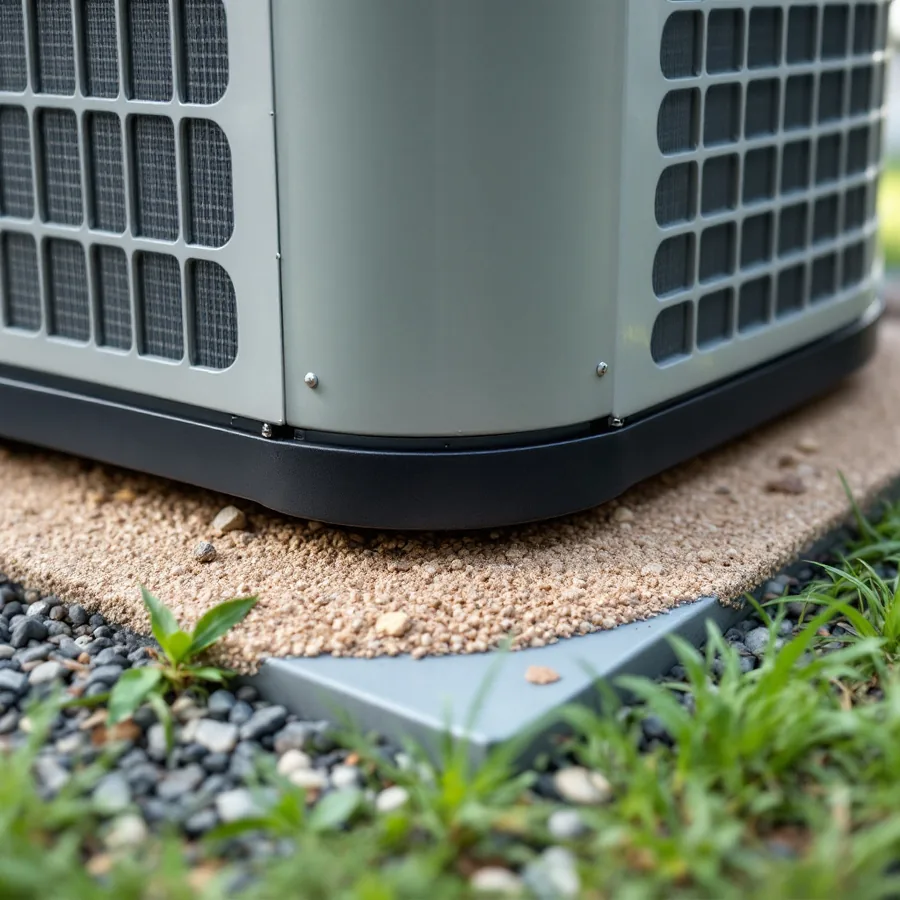
Clear space around the outdoor unit
A condenser rejects heat into the air around it. Fencing it in, planting around it or stacking things against it makes that harder, and the system responds by running longer for the same result.
The Part Worth Reading Twice
How we make money, and why it changes what we write
Every page on this site is shaped by one fact, so it is fair to put it near the top rather than in a footer.
We are a referral service. We do not repair equipment, we do not install it, and we do not sell it. When we connect you with an independent local company that does, we may be paid a referral fee — the same fee whether your problem turns out to be a capacitor or a complete system replacement, and it does not change what you pay.
That structure is the whole argument for reading us rather than a contractor's blog. A company that installs systems has a reason to describe your fault as a system problem. We do not have that reason, which is why this site says out loud that a top-up is a leak, that an oversized system is a defect rather than a bonus, and that one warm room is usually ducts rather than equipment. Those three sentences cost a contractor money to say.
What being a referral service does not let us do
We cannot tell you what is wrong with your equipment, because that is a set of measurements taken at your house. We cannot promise what a partner company will charge, how quickly they will arrive, or what they will offer for free, because those are their statements to make rather than ours. And we cannot make a claim go your way, because we are not part of it.
What we ask in return
Use the free checks first. If a filter fixes it, we would rather you spent twelve dollars than made a service call, and we would rather be the site that told you so. The referral is worth something to us only when it is worth something to you.
What we ask in return is that you use us when the answer really is a technician. How we make money and how we research and check what we publish are both written down in full.
Straight Answers
Common questions
Why is my AC running but not cooling?
The indoor half is working and the outdoor half is not. Air moving normally means the blower and ducts are doing their job; air arriving warm means heat is not being removed, which points at the condenser, the compressor, the capacitor that starts it, or the refrigerant charge. Our full walk-through is on the AC not cooling page.
How often should I change my air filter?
ENERGY STAR recommends inspecting, cleaning or changing filters once a month in a central air conditioner, furnace or heat pump. A dirty filter increases energy costs and damages equipment, leading to early failure.
Can I add refrigerant myself?
No. Refrigerant in cylinders and cans may only be sold to technicians certified under federal Section 608 rules or to their employers, and handling it requires that certification. The small cans sold without certification are for car air conditioning, which is a different system under different rules.
Is a bigger air conditioner better?
No, and oversizing is a real failure mode. A system too large for the house cools quickly, satisfies the thermostat before it has removed humidity, and shuts off — then starts again. The result is a house that feels cold and clammy and a compressor doing the hardest thing it does far too often.
How much does an HVAC repair cost?
We deliberately do not publish national averages, because they vary too much by region, equipment and diagnosis to mean anything for your house. What we will say is which faults are cheap everywhere (filters, capacitors, contactors, clearing a drain), which are mid-range (fan motors, proper coil cleaning, duct repairs), and which become a conversation about the whole system (compressor, evaporator coil, an unlocatable leak).
Do you do the work yourselves?
No. We are a matching service and we are paid for the introduction rather than for the size of the job. We publish research on heating and cooling, and we connect homeowners with independent licensed and insured HVAC companies.
Where This Comes From
Sources
- Filters, coils and annual check-ups — ENERGY STAR maintenance checklist.
- Cooling as a share of household energy, and common problems — U.S. Department of Energy, Energy Saver 101: home cooling.
- Who may buy and handle refrigerant — EPA refrigerant sales restriction and EPA Section 608 technician certification.
- The fifty-pound leak threshold that does not apply to houses — EPA stationary refrigeration leak repair requirements.
- Equipment performance data — AHRI certified product directory, the industry register of tested equipment ratings.
Our editorial standards explain how we source and check what we publish. Nothing here is a diagnosis of your system; we are a referral service, not a contractor. Last updated .
Before you call anyone
The independent match — we are paid for the introduction, not for the size of your job
Most roofing advice is written by the company that wants to do the work. That is not a failing of the people who read it; it is a defect in who is talking. The estimate, the diagnosis and the invoice come from one party, and no amount of care on your side fixes that.
We are built the other way round. We do not repair roofs and we do not sell materials, so the payment reaches us when you are connected to a licensed, insured roofing company — the same amount whether your roof needs an eight-hundred-dollar repair or a twenty-thousand-dollar replacement. Nobody here has a reason to talk you into the larger number. How we make money and how we research are both written down.
Waiting is the one thing that actually costs money. An insurance clock runs from the date of the damage rather than the date you noticed it, and damage that sits through a season stops reading as sudden and starts reading as wear — which is the exclusion that pays nothing. And if your roof is simply worn out, say so on the call. No claim will pay for age, we will tell you that plainly, and you will have lost nothing but the call.