Furnace Not Heating
Furnace not heating — what to check, what it means, and what not to do while you wait
Roughly half of no-heat calls end at the thermostat, the filter, the breaker or a switch somebody knocked. This page runs those checks first, then decodes what each symptom actually points at. It also covers the part manufacturer troubleshooting pages never do: heating is the second leading cause of home fires, and the most dangerous thing in a cold house is usually not the broken furnace but what people do instead of it.
Start here: emergency, or inconvenience?
- Smell of rotten eggs or sulphur. That is the odorant added to natural gas. Do not touch light switches or the thermostat, leave the house, and call your gas utility from outside. The utility comes free and comes first.
- A carbon monoxide alarm sounding. Get everyone outside into fresh air and call 911. Do not go back in to investigate. An alarm that sounds and stops still gets reported.
- Below-freezing weather and no heat at all. This becomes a burst-pipe problem before it becomes a comfort problem, and that changes the urgency. There is a section below on holding the house until somebody arrives.
- Everything else is an inconvenience with a queue. Cold but above freezing, or partial heat, means you have time to run the checks below and to compare two companies rather than accepting the first after-hours rate offered.
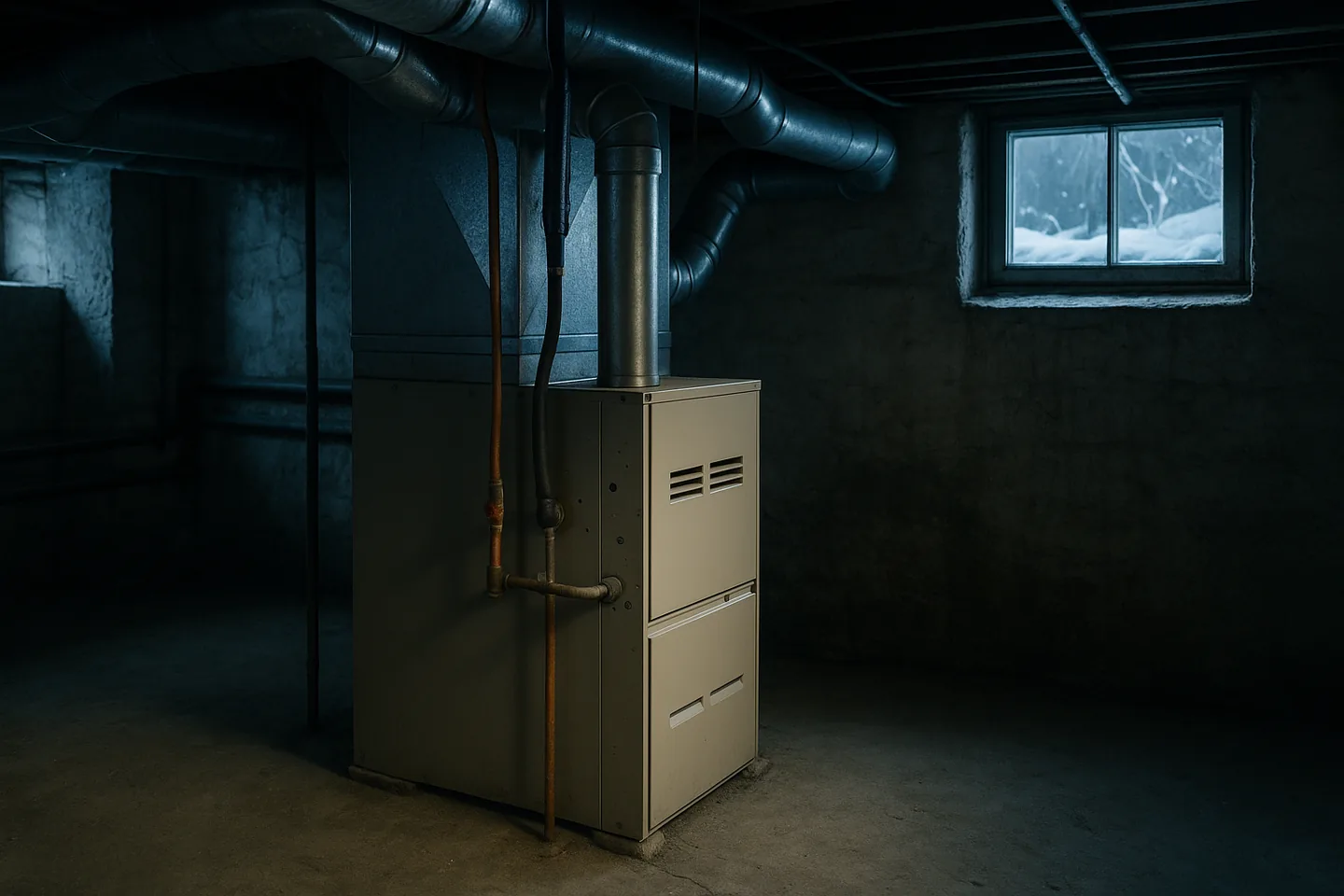
Before You Call Anyone
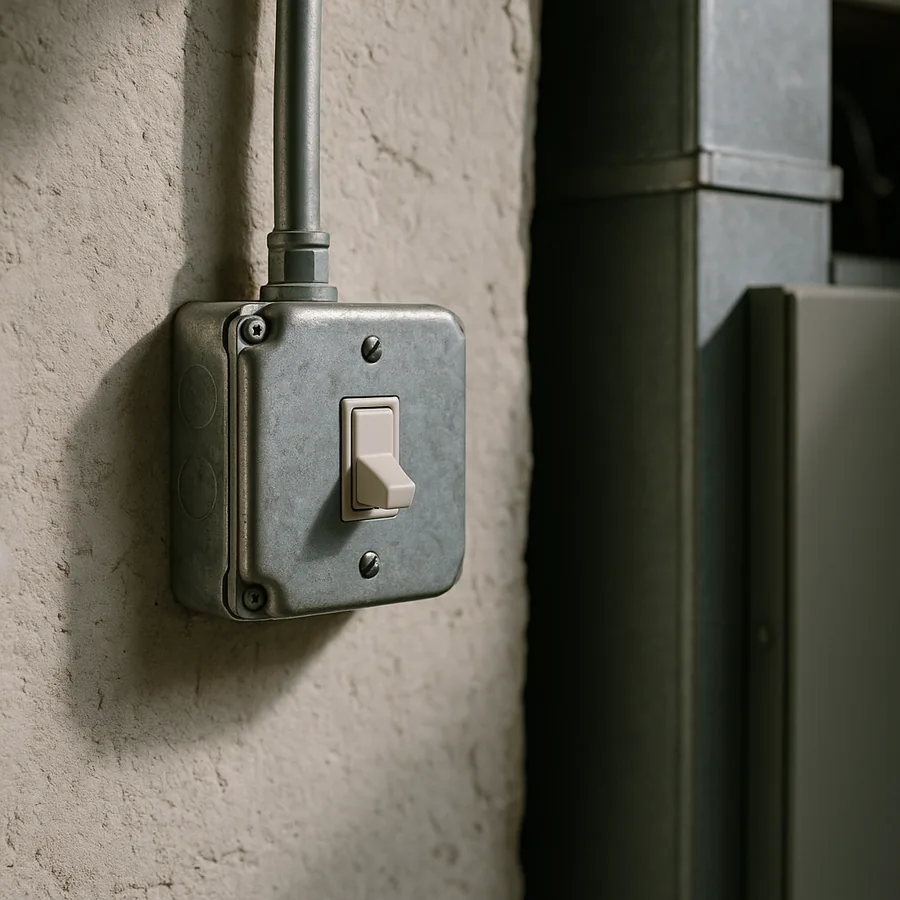
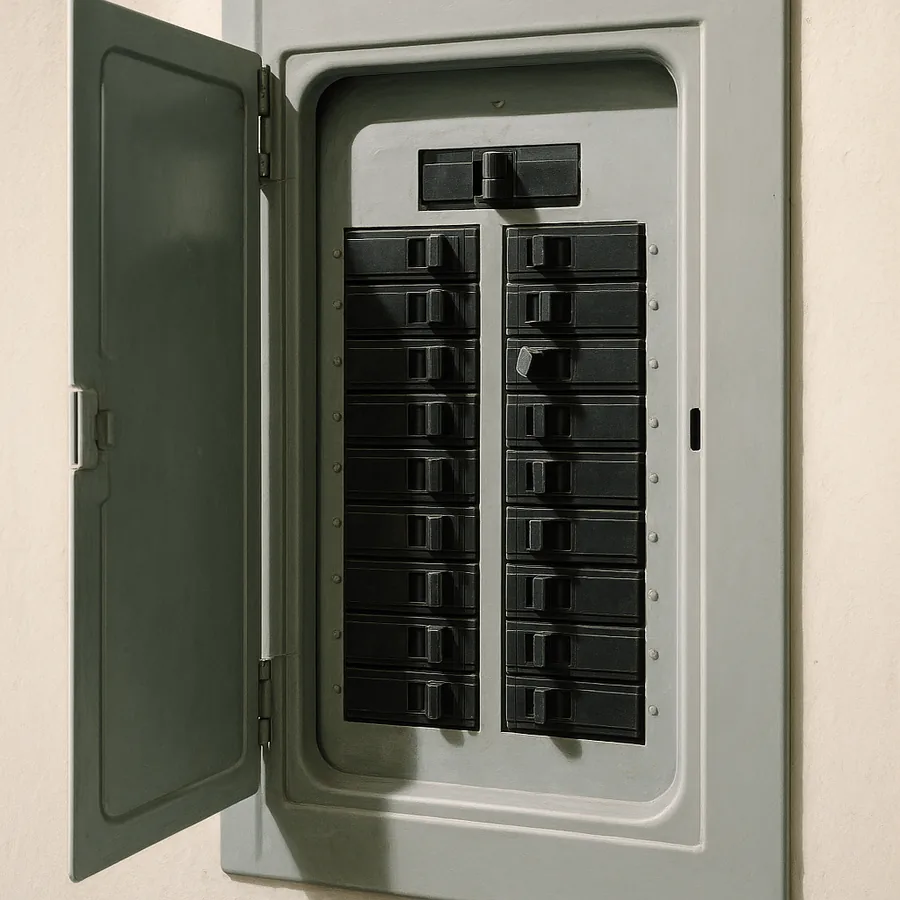
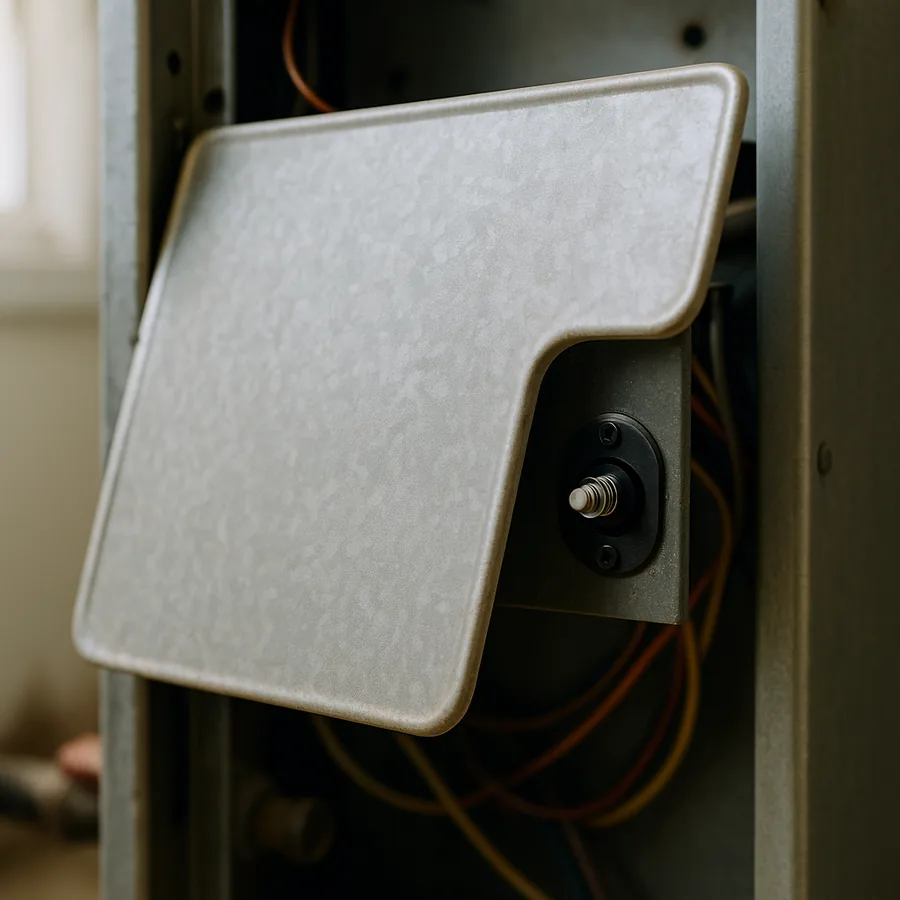
Six checks, in this order
Every one of these is something a technician will do in the first three minutes and bill you for. None requires a tool more serious than a screwdriver, and none involves opening anything sealed.
The reset button question
Some furnaces have one, and pressing it once is reasonable. Pressing it repeatedly is not: a furnace that locks out is refusing to run for a reason, and repeated resets can flood the combustion chamber with unburnt gas. Once, and if it locks out again, that is the diagnosis rather than the problem.
Decode The Symptom
What your furnace is actually doing, and what that points at
Three questions, nothing sent anywhere. The value is not only the likely cause — it is knowing where the homeowner half ends, and what sentence to say on the phone so that the right van arrives with the right part.
We are paid a fixed fee for an introduction, and it is the same whether your visit ends in a filter change or a new furnace. That is why this tool spends as much space on what you can fix yourself as on what you cannot.
Blower On, Heat Off
The furnace runs but the house stays cold
Searched as furnace turns on but no heat, furnace blowing but no heat, and furnace running but no heat. Three different phrasings of the same picture: the fan is working and the burners are not doing their job.
The thermostat fan setting, which is not a fault at all
On Auto, the blower runs only while there is heat to move. On On, it runs continuously, and between heating cycles it circulates room-temperature air. To a hand at a register that is indistinguishable from a furnace that has stopped heating. Check this before anything else, because it costs nothing and it explains a surprising share of these calls.
A dirty filter and the high-limit switch
Airflow is what carries heat away from the heat exchanger. Restrict it and the exchanger runs hotter than designed, and the high-limit switch cuts the burner to protect it. The blower carries on trying to cool the exchanger down, which is why the symptom is warm-then-cool air, or a short burst of heat followed by nothing. Change the filter, open every supply register, clear anything resting against a return grille. If the pattern stops, that was the fault.
The flame sensor
A gas furnace proves to itself that a flame exists before it will keep the gas valve open. It does this with a thin metal rod in the flame path that conducts a tiny current. A coating of oxide on that rod — ordinary, gradual, a consequence of the rod sitting in fire for several winters — and the furnace stops believing its own flame. The signature is a burner that lights, burns for a few seconds, and shuts off, repeating. It is a five-minute job for a technician and the commonest single cause of this symptom in an otherwise healthy furnace.
Ignition that never happens
If you never hear or see a flame at all, the sequence stopped earlier: a failed hot surface igniter, a pilot that has gone out on an older unit, a pressure switch that has not closed because the vent is blocked, or a gas valve that is not opening. The furnace usually announces which one with a blink code on the control board, visible through the little window in the panel — a count of flashes that means something specific in that manufacturer's chart.
What to do with the blink code
Count the flashes and their pattern and write it down. Do not go looking for a chart from a random website and start replacing parts against it; codes differ by manufacturer and by model, and the wrong chart is worse than no chart. Read the count to the dispatcher instead. It is the single most useful sentence a homeowner can offer on a no-heat call, because it often decides which part rides in the van.
Nothing At All
The furnace will not start, and makes no sound
Silence is a narrower problem than it feels. Something is either withholding power or withholding permission.
- No power. A tripped breaker, a blown fuse on the control board, or the wall switch beside the furnace in the off position. Reset a breaker once; if it trips again, something is drawing current it should not and the next step is a technician rather than a third reset.
- The door safety switch. A plunger behind the front panel that keeps the furnace off unless the panel is properly seated. Push the panel firmly home. This is a genuinely common cause after any work near the equipment, including your own filter change.
- The thermostat is not calling. Dead batteries, a loose wire behind the plate, or a thermostat that lost its C-wire power. On a battery model the screen can look normal while the call for heat never leaves the wall.
- The control board or transformer. The point where homeowner diagnosis ends. If the furnace has power at the switch and still does nothing, the next test needs a meter.
Can a bad thermostat cause no heat?
Yes, and it is worth ruling in or out early because it is the cheapest failure in the chain. The signs are a blank or flickering screen, a display that shows heat is on while nothing runs, a unit that responds to some settings and not others, or one that only works when you press hard on the plate. A thermostat that clicks audibly but produces no response has done its job — the relay closed — and the problem is downstream.
Thermostat says heat is on, but there is no heat
The display is reporting what it asked for, not what happened. Somewhere between that request and the burner, something declined: a safety switch, an ignition failure, a lockout after too many attempts. This is the exact case where a blink code on the furnace is worth reading, because the furnace knows why and the thermostat does not.
Cold From The Registers
Cold air where warm air should be
Sometimes a fault, sometimes the system working exactly as designed. Which one depends on what you own.
If you have a heat pump, start by ruling out normality
A heat pump delivers air cooler than a furnace does — typically in the high 80s to mid 90s Fahrenheit, which is above body temperature but feels cool to a hand held in front of a register. Longer, gentler cycles are how it is supposed to work. It also runs a defrost cycle in cold damp weather, during which heating pauses briefly and steam rises off the outdoor unit. Neither is a fault. What we cover on living with a heat pump applies here in full.
Emergency heat, left on by accident
On a heat pump thermostat, emergency or auxiliary heat bypasses the heat pump and runs the back-up directly. It is for a failure of the heat pump, not for a cold day, and left switched on it produces an electricity bill people remember for years. If the house is warm and the bill is alarming, check this switch before anything else.
If it is a furnace, the air should be hot
There is no version of a working gas or oil furnace that produces merely tepid air at the register for an entire cycle. Lukewarm output points back at the same three causes as above: fan set to On, restricted airflow, or a burner that is not staying lit. It can also mean that the warm air is being lost on the way — a disconnected duct in an attic or crawlspace delivers a room's heat to the roof space, and that is a duct problem rather than a furnace problem.
The house is not heating enough, rather than not at all
If some rooms are fine and others never catch up, the equipment is probably working and the distribution is not. If the whole house runs a few degrees behind on the coldest days only, the system may simply be at the limit of what it was sized for. Both are real problems and neither is a furnace repair; the measurement that separates them is static pressure, and the remedy is usually in the ducts.
How It Lights
Pilot lights, hot surface igniters and flame sensors
Three generations of the same job. Knowing which one you own tells you what can go wrong and how old the furnace is.
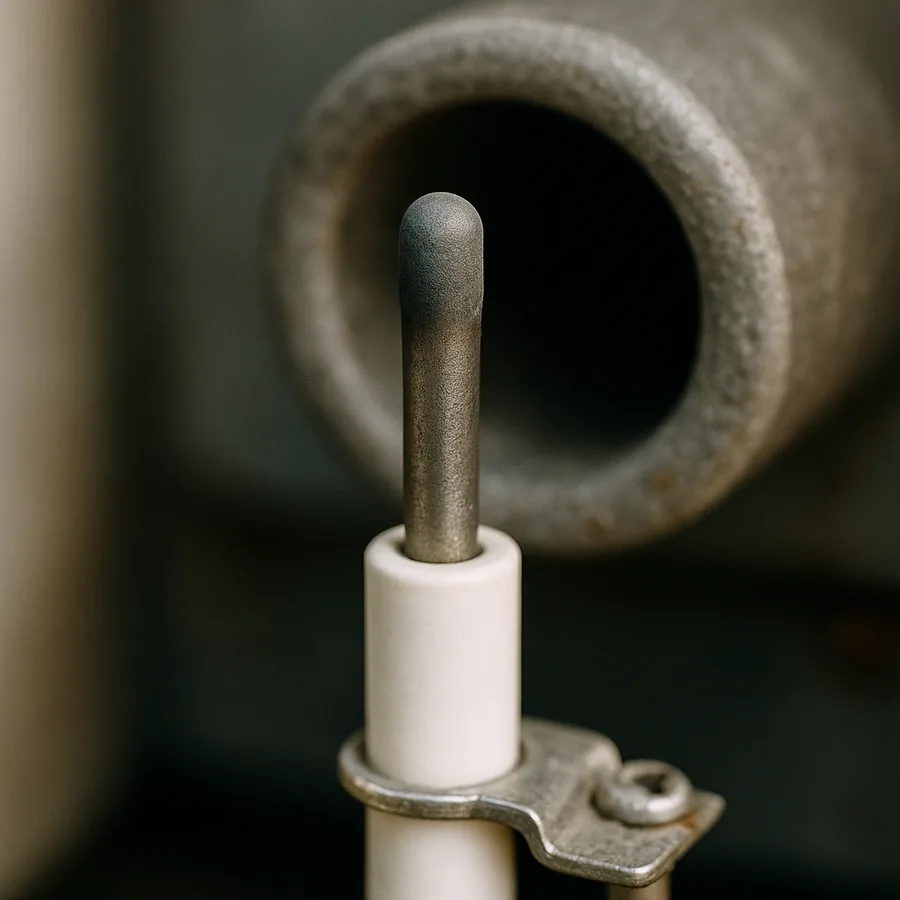
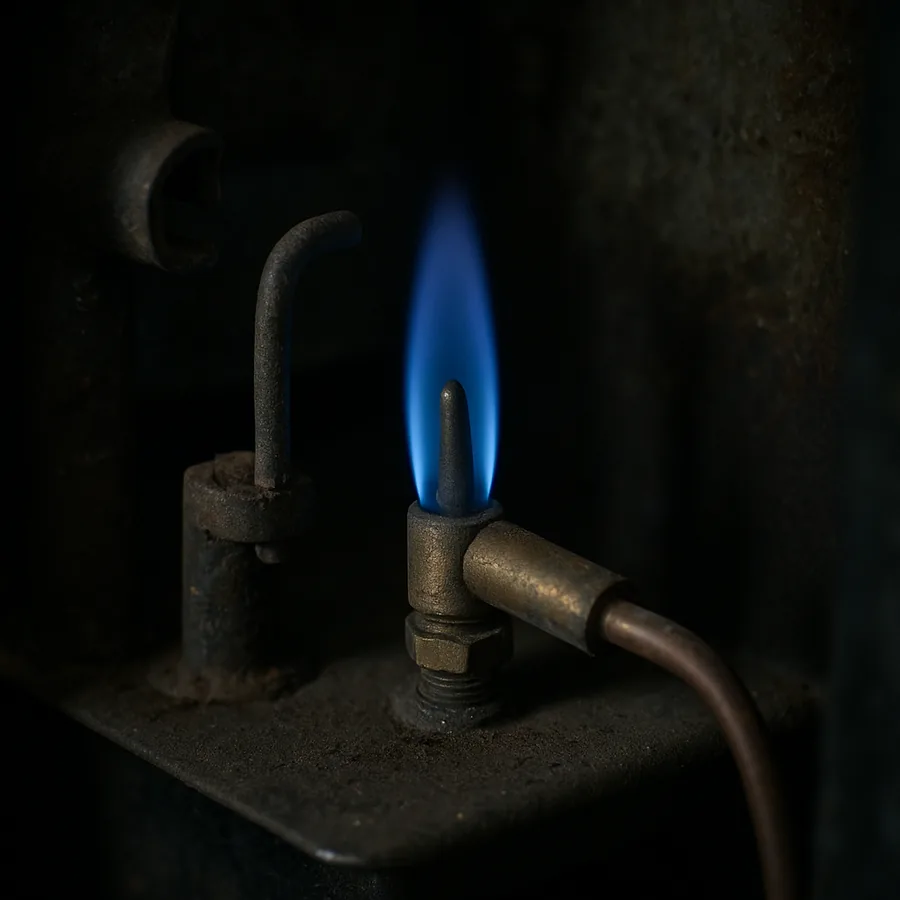
Standing pilot
A small flame that burns continuously, older than about 1990. A thermocouple sits in it and generates the tiny current that holds the gas valve open, which is the safety logic: no pilot, no gas. Relighting is documented on a label inside the panel, and a pilot that will not stay lit usually means a failing thermocouple or a draught.
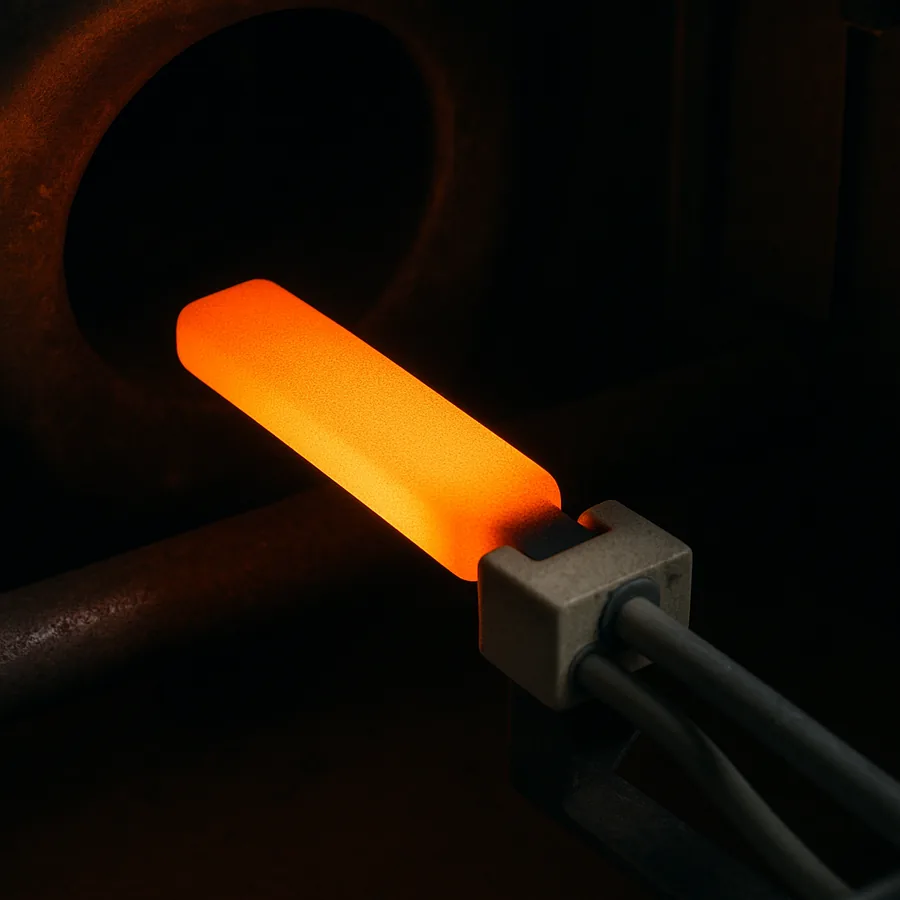
Hot surface igniter
A brittle ceramic element that glows orange to light the burners on demand. It is a consumable, it fails eventually, and it fails suddenly. It is also fragile enough that touching it can end it. If you can see an element that never glows before the furnace gives up, you have most likely found the part.
Spark ignition
An electrode that produces a repeated audible tick to light the burners, sometimes lighting a pilot rather than the burner directly. Clicking with no ignition points at the electrode, its gap, or the gas supply to the pilot.
Lockout, and why repeated retries are the wrong instinct
Modern furnaces attempt ignition a fixed number of times, then lock out and stop trying. That is deliberate: an appliance that kept opening a gas valve into a chamber that would not light would be building a hazard. Cutting the power to force a fresh set of attempts is the internet's favourite advice and it is a poor idea. If it locked out, something is wrong upstream of the flame.
Gas furnace not heating, oil furnace not heating
Oil systems add their own failure modes — the tank level, a clogged nozzle or filter, a failed ignition transformer — and most oil burners have a reset button with the same one-press rule. Repeated resets on an oil burner pump unburnt fuel into the chamber, which is a genuinely dangerous thing to do. Once.
Sounds And Smells
What is worth acting on, and what is not
A furnace makes noise and smells on the first cold morning of the year. Some of that is normal and some of it is the only warning you will get.
Smells
- Rotten eggs or sulphur — leave now. Utilities add that odorant to gas precisely so that a leak announces itself. Do not operate switches, do not use the phone indoors, get out, and call the gas utility from outside. This is not an HVAC call.
- Dusty, hot, slightly scorched, on the first run of the season. Dust burning off a heat exchanger that has sat idle since spring. It passes within an hour or two and is the least alarming item on this list.
- Burning plastic or electrical. Shut the furnace off at the thermostat and at the switch, and call. Something is overheating that should not be.
- Musty or damp when the system starts. Moisture somewhere in the system, most often in the ducts rather than in the furnace, and covered on the ductwork page.
Noises
- A bang or boom a few seconds after the burner starts. Delayed ignition: gas accumulated before lighting, and what you heard was it lighting all at once. This is the noise on this page that most deserves a same-day call.
- Rattling and vibration. Usually a loose panel or ductwork touching a joist. Tighten the front panel first; it is free and it is often the answer.
- A high squeal or scraping. Bearings or a belt on the blower. It will not fix itself and it is cheaper before the motor seizes.
- Clicking with no ignition. The igniter trying and failing. Count the attempts before it gives up and tell the dispatcher.
- Whistling from the registers or the return. Air moving through a restriction — often the filter, sometimes the duct design. Not a furnace fault as such.
Not Everyone Has A Gas Furnace
Electric, heat pump and baseboard: same symptom, different causes
The search is the same — heater not working, hvac heater not working — and the answer depends entirely on what is in the basement, or whether there is a basement.
Electric furnace
No combustion, so no pilot, no flame sensor and no carbon monoxide risk from the appliance itself. What remains: heating elements, the sequencers that switch them on in stages so the house does not draw everything at once, breakers, and the same high-limit protection against restricted airflow. Partial heat with the blower running is the signature of some elements working and others not. Electric furnaces draw serious current and their panels stay dangerous with the thermostat off, so the homeowner half here is short: thermostat, filter, breakers, and stop.
Baseboard heaters
Each unit is effectively independent, which makes diagnosis easy: if one is cold and the rest are warm, the fault is at that unit or its thermostat, not in any central system. If all of them are cold, look at the breaker. Check also that nothing is sitting against them — furniture and curtains against a baseboard heater are both a performance problem and a fire one.
Heat pump
Establish first whether it is faulty at all, using the register-temperature test above. If it genuinely is not heating, the causes overlap with cooling faults because it is the same machine running in reverse: a reversing valve stuck in cooling, a refrigerant problem, or an outdoor unit iced over and unable to shed frost. Those symptoms and what they point at are on our page about a system that is not cooling or heating.
The Part Nobody Else Publishes
Heating is the second leading cause of home fires
Every troubleshooting page in this search result is written by a manufacturer or a contractor, and none of them mentions this. The figures are federal.
The scale
The U.S. Fire Administration reports that in 2021 an estimated 32,200 home heating fires were reported to fire departments in the United States, causing an estimated 190 deaths, 625 injuries and $442 million in property loss. Heating fires remained the second leading cause of home fires that year.
The part that matters while your furnace is broken
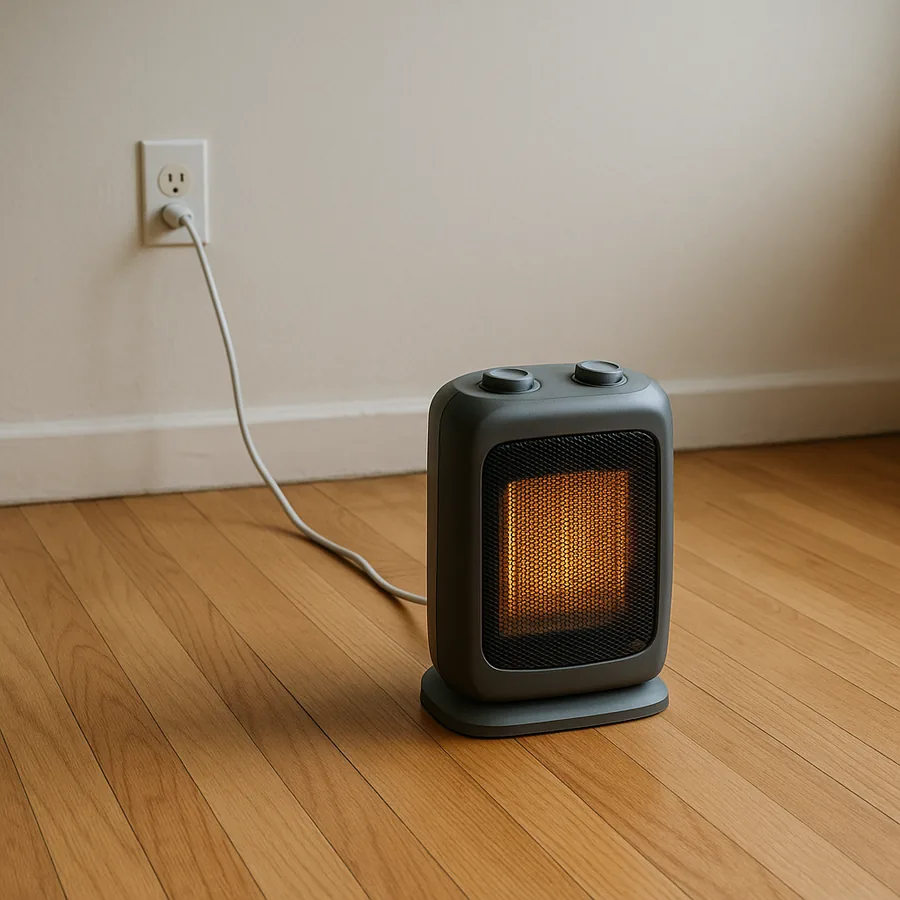
Portable heaters are a small share of heating fires and a large share of the deaths: USFA reports that home portable heater fires were only 3% of all home heating fires annually for 2017–2019, but they accounted for 41% of fatal heating fires in homes. That is the single most useful sentence on this page for somebody whose furnace has just stopped in January, because the space heater is exactly what they are about to go and buy.
Three rules, quoted rather than paraphrased
- “Keep anything that can burn at least 3 feet from all heat sources” — including fireplaces, wood stoves, radiators, space heaters and candles. Three feet, in every direction, including above.
- “Turn space heaters off when leaving the room or going to bed.” The overnight hours are where the fatality figures concentrate.
- “Never use an oven to heat your home.” It is a fire risk and, on a gas range, a carbon monoxide risk at the same time.
USFA also recommends maintaining heating equipment and chimneys by having them cleaned and inspected each year by a professional — which is the safety half of the argument for the seasonal visit, separate from the efficiency half.
Carbon Monoxide
The mistakes people make in a cold house
The risk is real, and the proportions are not what the industry implies. Both halves of that are worth knowing.
What the numbers actually say
The Consumer Product Safety Commission counts more than 200 a year deaths in the United States from accidental non-fire carbon monoxide poisoning associated with consumer products, with more than 100 of them linked to portable generators. So the largest single contributor in that count is a generator run during a power cut — that is, something people do because the heat is off, not the heating system itself.
The list of things not to do, in order of how often they kill
- Never run a generator indoors, in a garage, in a basement or near an open window. Attached garages count as indoors, with the door open. This is the item behind more than half of those deaths.
- Never bring a charcoal or gas grill inside, including into a garage or onto an enclosed porch. Charcoal produces carbon monoxide long after the flames are out.
- Never use the oven or a gas range to heat the house. It is on both the fire list and this one.
- Never run a car or a fuel-burning tool in an attached garage, even briefly, even with the door up.
What your furnace has to do with it
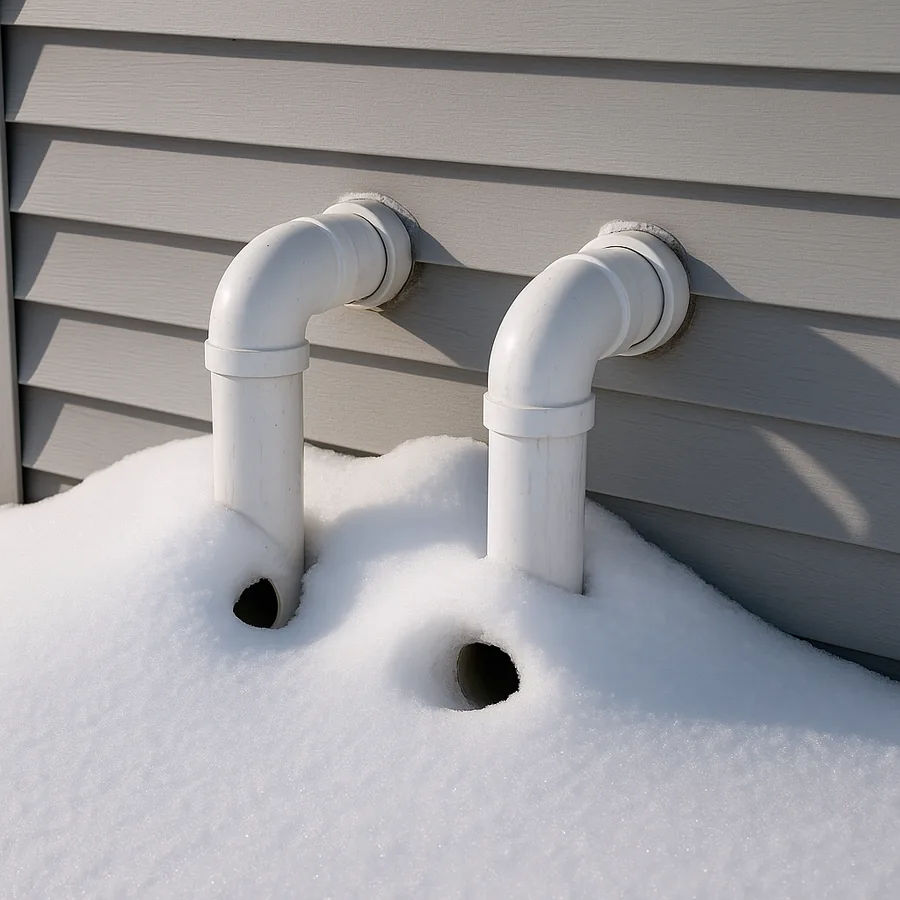
A gas or oil furnace produces combustion gases, and the heat exchanger is what keeps them out of the air you breathe. A crack lets them into the supply air, which is why the heat exchanger inspection is on the seasonal checklist and why repeated overheating — the high-limit cycling described above — is worth taking seriously rather than living with. Blocked flues matter for the same reason: snow, nests and debris at the vent termination outside are a real winter cause.
The measure that actually protects you
CPSC's instruction, and it costs less than any service call: install battery-operated CO alarms, or alarms with battery backup, on every level of the home and outside sleeping areas, and interconnect them so that when one sounds they all sound. If yours are more than about ten years old, they are past their service life regardless of whether they still chirp.
Until Somebody Arrives
Holding the house safely
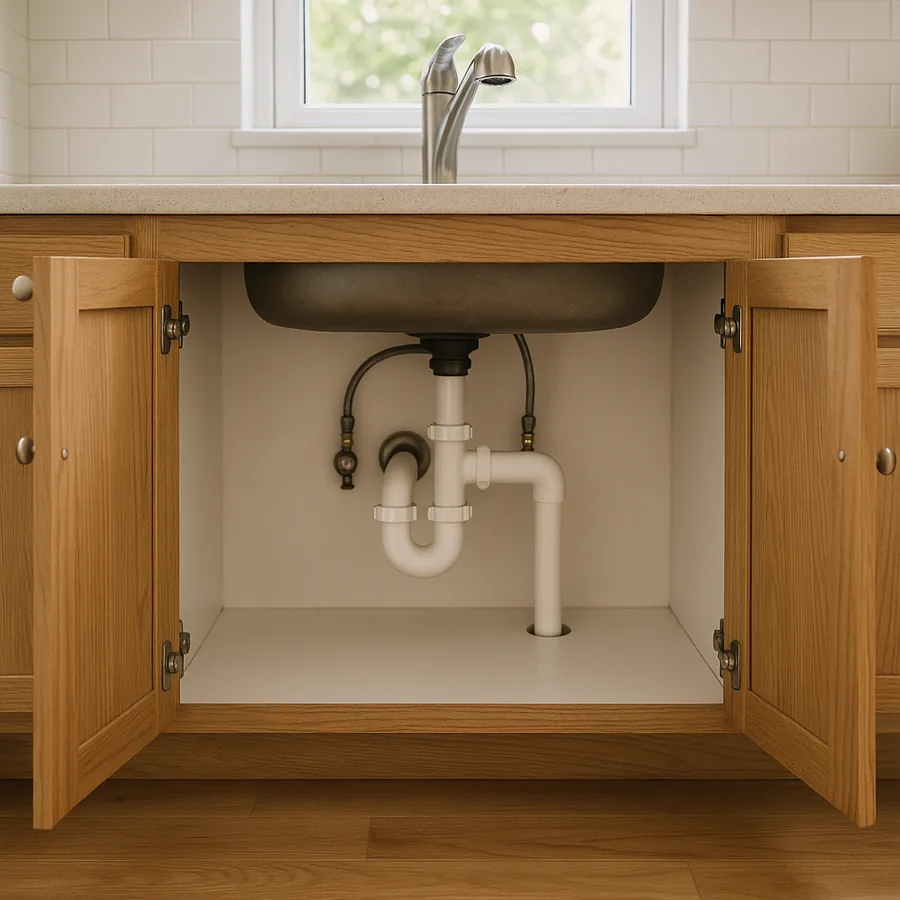
In freezing weather the furnace is not the only thing at stake. Plumbing is.
The Money
What furnace repair costs, and what moves the number
We do not publish national averages for furnace repair cost, and on an emergency call an average is worse than useless: it anchors you to a figure that has nothing to do with the part that failed, the hour it failed, or whether anyone has it on the van.
The four lines that make up your bill
- The diagnostic or trip charge. Charged for showing up and finding out. Some companies waive it if you proceed with the repair; some do not. Ask which before booking, because it is the only line you can settle on the phone.
- Labor, at the rate that applies at that hour. A Tuesday morning and a Saturday midnight are different rates for identical work at most companies. If the house is safe and above freezing, the cheaper hour is a real option.
- The part. The spread here is wide: a flame sensor cleaned costs almost nothing, an igniter or a capacitor is modest, a control board or a gas valve is a different order, and a heat exchanger usually reopens the whole repair-or-replace question.
- Whether the part is on the van. This is the invisible variable. A part in stock is one visit; a part ordered is two, and possibly a night without heat in between.
How much does furnace repair cost, honestly answered
The question has no single answer, but it does have a reliable shape: the cheap outcomes are the common ones. A dirty flame sensor, a filter, a tripped switch and a failed thermostat together account for a large share of no-heat calls, and all of them sit at the bottom of the price range. The expensive outcomes are concentrated in older equipment, and by then the real question is not how much to repair a furnace but whether to.
Signs your furnace needs repair, before it fails
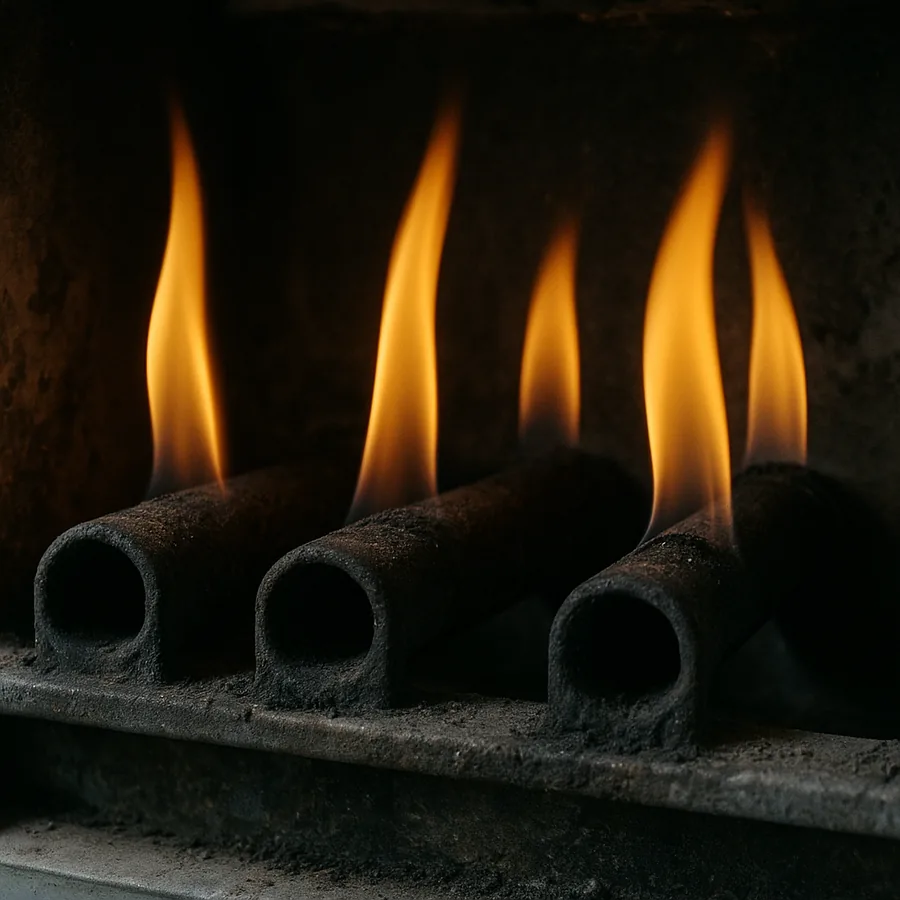
Rising bills with no change in habits, cycles that get shorter, noises that are new, a burner flame that is yellow rather than blue, and a system that needs a reset more than once a season. All of them are cheaper attended to in October than discovered in January.
Furnace tune-up specials, and what they are for
A visit priced below the cost of performing it is a customer-acquisition cost. That is not automatically dishonest and it does mean the economics of the visit depend on what gets found. Our page on what maintenance should contain sets out the federal checklist, so you can see what a real visit includes and grade the cheap one against it.
The Bigger Question
Repair, or replace?
It arrives at the worst possible moment, in a cold house, with somebody standing in the basement waiting for an answer. Which is exactly why it is worth having thought about it before then.
The three facts that decide it
The age of the equipment, the cost of this repair against the cost of replacing, and whether this is the first repair or the third in two years. A young furnace with one expensive part is a repair. An old furnace on its third failure is buying single years at rising prices.
The one finding that ends the conversation
A cracked heat exchanger. It is a combustion-safety failure rather than a performance one, the part is usually a large fraction of the cost of the whole appliance, and on older equipment it generally means replacement. It is also the finding most worth a second opinion, precisely because it is the most expensive thing a technician can tell you — ask to be shown the crack, or to see the camera footage of it.
What not to decide at 11pm
Anything with a comma in the price. A house that is safe and above freezing can wait until morning for a second quote, and the difference between a decision made under pressure and one made after a night's sleep is usually larger than any discount offered for signing tonight. The full framework is on our replacement cost page.
On The Phone
What to ask before the van leaves
Four questions, thirty seconds, and they change both the price and how long you are cold.
| Ask | Why it matters | A weak answer |
|---|---|---|
| What is the diagnostic fee, and is it waived if I proceed? | The only line you can settle before anyone arrives, and it differs widely between companies. | “The technician will explain when he gets there.” |
| What is the after-hours rate versus tomorrow morning? | If the house is safe, this is a real choice and it is often a large one. | Evasion, or pressure to book now. |
| I have checked the thermostat, filter, breaker and switch — here is the blink code. | Not a question, but the most valuable sentence you can say. It decides which part rides in the van. | Disinterest in the code. |
| Will I get a written quote before any work beyond the diagnosis? | Separates diagnosis from repair, so you are not agreeing to an amount you have not seen. | “We’ll sort the paperwork after.” |
What we do, and what we do not
We are not a contractor and we do not dispatch technicians. We are paid a fixed fee for an introduction — the same fee whether your call ends in a filter change or a new furnace — which is the only reason a page about a broken furnace can afford to spend its first section teaching you to fix it yourself. When you want somebody to come out, we connect you with independent licensed and insured heating and cooling companies. How that works is on our about page, and the rest of what we publish starts from the home page.
Straight Answers
Furnace questions, answered
Why is my furnace not heating?
In order of how often it turns out to be true: the thermostat is set wrong or its batteries are dead; the air filter is blocked and the high-limit switch is protecting the heat exchanger; a breaker or the switch beside the furnace is off; the front panel is not seated and the door switch is holding the furnace off; or the burner is failing to light or stay lit. The first four are yours to check and take about ten minutes.
Why is my heater not working at all — no sound, nothing?
Silence means power or permission. Check the breaker, the wall switch beside the furnace, the thermostat batteries, and that the front panel is fully seated. If power is present and the furnace still does nothing, the next test involves a meter and the control board, and that is a technician.
The furnace turns on but there is no heat. What is it?
Usually one of three things. The thermostat fan is set to On rather than Auto, so the blower circulates room-temperature air between cycles. Or a blocked filter has caused the high-limit switch to cut the burner while the blower carries on. Or the burner lights and drops out, which most often means a dirty flame sensor. Change the filter and set the fan to Auto first.
Can a dirty filter cause no heat?
Yes, and it is one of the commonest causes. Restricted airflow makes the heat exchanger run hotter than designed, and the high-limit switch shuts the burner off to protect it. The blower keeps running, so the air is not warm, and the cycle repeats. That is a safety device working correctly rather than a fault.
Should I press the reset button?
Once. A furnace that locks out is refusing to run for a reason, and repeated resets on a gas or oil burner can put unburnt fuel into the combustion chamber. If it locks out a second time, that is the diagnosis and it needs a professional.
Is it safe to use a space heater until the furnace is fixed?
With rules. The U.S. Fire Administration reports that portable heater fires were only 3% of home heating fires in 2017–2019 but accounted for 41% of fatal heating fires. Keep anything that can burn at least 3 feet away, plug the heater directly into a wall outlet rather than an extension lead, and turn it off when you leave the room or go to bed. Never use an oven to heat your home.
How long do furnaces last?
There is no service interval that makes this a number, but the practical test is a pattern rather than a birthday: repeated failures within a short period, rising running cost, and a repair that is a large fraction of replacement all point the same way. A cracked heat exchanger generally ends the conversation on older equipment.
Do you repair furnaces?
No. We are a matching service, paid a fixed fee for the introduction rather than a share of the job, so a filter change earns us exactly what a new furnace does. We publish research and connect homeowners with independent licensed and insured heating and cooling companies.
Where This Comes From
Sources
- Home heating fire statistics and the safety rules quoted — U.S. Fire Administration, heating fire safety.
- Heating fires in residential buildings, detailed report — USFA, heating fires in residential buildings 2017–2019, and USFA statistical reports on fire causes.
- Portable heater fires — USFA, portable heater fires in residential buildings.
- Carbon monoxide deaths and the alarm guidance — U.S. Consumer Product Safety Commission.
- Carbon monoxide and health — CDC, and EPA on carbon monoxide indoors.
- Filter inspection frequency and the seasonal checklist — ENERGY STAR maintenance checklist.
- Duct losses, for the case where the furnace is fine and the house is cold — ENERGY STAR, duct sealing.
- Equipment ratings as tested — AHRI certified product directory.
Our editorial standards explain how we source and check what we publish. Nothing here is a diagnosis of your equipment or a substitute for a qualified person in the room, and we are a referral service rather than a contractor. If you smell gas, leave and call your utility. Last updated .
Before you call anyone
The independent match — we are paid for the introduction, not for the size of your job
Most roofing advice is written by the company that wants to do the work. That is not a failing of the people who read it; it is a defect in who is talking. The estimate, the diagnosis and the invoice come from one party, and no amount of care on your side fixes that.
We are built the other way round. We do not repair roofs and we do not sell materials, so the payment reaches us when you are connected to a licensed, insured roofing company — the same amount whether your roof needs an eight-hundred-dollar repair or a twenty-thousand-dollar replacement. Nobody here has a reason to talk you into the larger number. How we make money and how we research are both written down.
Waiting is the one thing that actually costs money. An insurance clock runs from the date of the damage rather than the date you noticed it, and damage that sits through a season stops reading as sudden and starts reading as wear — which is the exclusion that pays nothing. And if your roof is simply worn out, say so on the call. No claim will pay for age, we will tell you that plainly, and you will have lost nothing but the call.