Heat Pumps
Heat pumps — what they are, what they cost, and when they are the wrong answer
A heat pump is an air conditioner that can run backwards. That one sentence explains most of what follows, including why it heats, why it is efficient, and why the objection you have heard about cold weather is a decade out of date. We do not sell or install equipment, which is why this page also tells you which households the arithmetic does not favor.
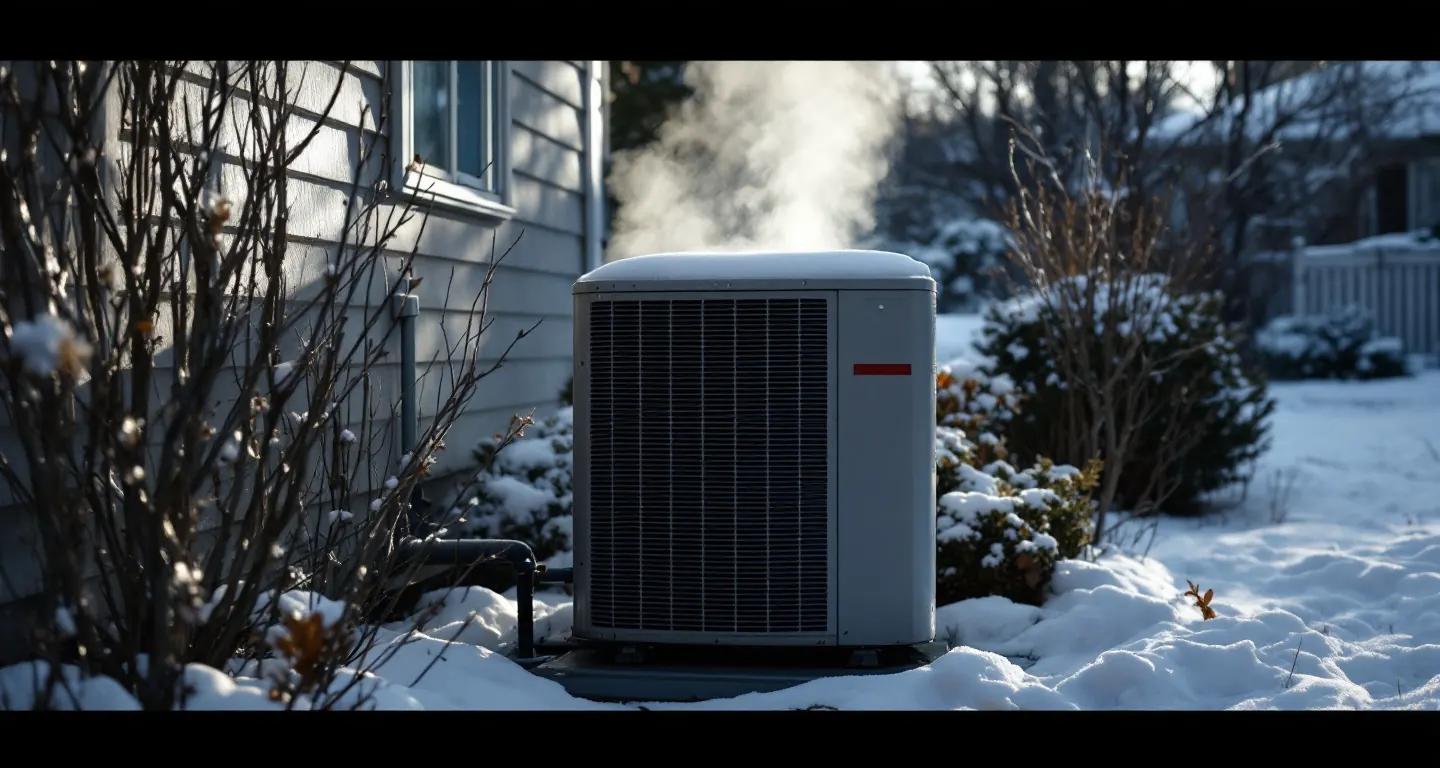
Four things worth knowing before anyone quotes you
- It moves heat rather than making it. That is why the efficiency numbers look impossible: an air-source heat pump can deliver up to three times more heat energy to a house than the electrical energy it consumes. A furnace can never exceed the energy in its fuel; a heat pump is not burning anything.
- “It does not work in the cold” is now a specification question, not a fact. ENERGY STAR certification requires third-party verified performance at low temperature, with equipment tested down to 5°F. Ask whether a unit carries it rather than arguing about the category.
- Whether it saves you money depends on what you heat with today. Federal analysis finds savings for over 90% of assessed households replacing worn-out equipment with a heat pump matched to the house — and it is explicit that the savings are largest for homes on heating oil, propane or older electric equipment.
- The federal tax credit is gone. It applied to equipment placed in service through 31 December 2025. The state-administered rebate programme is separate and did not end — and for a qualifying household it is worth far more.
The Machine Itself
How a heat pump works, without the diagram
Most explanations reach for a refrigeration cycle diagram in the second paragraph. You do not need one to make a good decision; you need the idea, and the idea is short.
You already own one
Your refrigerator takes heat out of the food compartment and dumps it into your kitchen — the warm grille at the back is the heat that used to be in your milk. Your air conditioner does the same thing at house scale: it takes heat out of the rooms and throws it away outside. Neither machine makes cold. Both move heat from where it is unwanted to where it does not matter.
A heat pump is that, with a valve
Add a valve that lets the refrigerant run the other way and the same machine collects heat from outdoors and releases it indoors. In the federal energy programme's own words, heat pumps use electricity to transfer heat from a cool space to a warm one: in winter they move heat from the cold outdoors into the house, and in summer they move it from the house to the outdoors. It is one machine doing one job in two directions.
Why there is heat outside in January
This is the part that sounds wrong and is not. “Cold” is a human judgement, not an absence of heat. Air at 20°F still contains a great deal of thermal energy — absolute zero is another 480 degrees below that — and a refrigerant boiling at a temperature lower still will absorb it quite happily. The colder it gets outside the less heat there is to collect and the harder the machine works, which is exactly why cold-climate performance is measured rather than assumed.
Why the efficiency numbers look like magic
A furnace converts fuel into heat and cannot exceed 100% of the energy in that fuel. A heat pump is not converting anything — it spends electricity to move heat that already exists, so the heat delivered can be several times the electricity consumed. That is not a violation of anything; it is the difference between manufacturing and haulage.
The Objection Everyone Has Heard
“They don’t work when it’s really cold”
This was true, it stopped being true, and the sentence outlived the fact. Here is how to check it for a specific unit instead of arguing about the category.
What was true
Older air-source equipment lost capacity quickly as temperatures fell and handed over to electric back-up heat at around freezing. In a cold state that meant the expensive back-up did much of the winter's work, and the promised efficiency never arrived. People who lived through that are not wrong about what they experienced.
What changed, and how it is verified
Variable-speed compressors and better refrigerant control moved the useful range far lower. The important part for a buyer is that this is now certified rather than claimed: ENERGY STAR certification requires third-party verified performance at low temperatures, with air-source heat pumps tested down to 5°F. Federal work on cold-climate equipment reports savings of up to 70% against electric resistance heat and up to 40% against conventional air-source heat pumps.
The question that replaces the argument
“What is this unit's rated capacity and efficiency at my design temperature?” Design temperature is the cold that your location actually reaches, and every serious installer knows yours. A capacity quoted only at 47°F describes a mild autumn day and tells you nothing about February.

Back-up heat is not an admission of failure
Almost every cold-climate installation includes back-up heat for the few days a year below the design point, and that is normal engineering rather than a flaw. What matters is how often it runs. A system sized and specified properly uses it rarely; one sold on optimism uses it all winter, and the bill tells you which you bought.
Does It Fit Your House?
The case for and against, by what you heat with now
Nothing here is sent anywhere. It is the comparison an installer makes silently, written down — including the case where the answer is weaker than the marketing suggests.
We are paid for an introduction, not for the size of the job, so a heat pump earns us exactly what a repair does. If the arithmetic on your house is marginal, we would rather say so than watch you find out over a winter.
The Part That Decides
What it costs to run, and for whom that is good news
Efficiency is a ratio; a bill is a ratio multiplied by a price. That second half is where households differ, and where most heat pump content stops being useful.
What the federal analysis actually says
The Department of Energy's assessment is that for over 90% of American households assessed, replacing worn-out heating equipment with the right heat pump — one that matches the home's needs — will save on energy bills. Two qualifiers in that sentence do real work: worn-out, meaning the comparison is against buying something anyway, and the right one, meaning sized and specified for the house.
Where the savings are largest
The same analysis is specific: savings are generally highest for homes currently using heating oil, propane, or older electric equipment. The state figures give a sense of the spread — around $300 a year in Arizona, and around $1,500 a year in Michigan for homes currently heating with propane or electricity. That range is not noise; it is the difference between climates and fuel prices, and your house sits somewhere in it.
Where it is marginal, and nobody says so
A house on cheap natural gas in a region with expensive electricity is the case where the margin narrows and can reach zero. Federal figures also note that homes already heating with electricity have the lowest average annual bills to begin with. None of that makes a heat pump a bad machine — it means the saving you are being quoted may be somebody else's saving.
The arithmetic is not difficult and you can do it before anyone visits: find your price per kilowatt-hour and your price per unit of gas, oil or propane on your own bills. The ratio between them, not the equipment brochure, decides whether the running cost falls.
Cooling comes free with the decision
A heat pump is an air conditioner that also heats, so if you were replacing air conditioning anyway, the incremental cost of buying heating too is small. That framing changes the decision entirely for households facing a failed condenser, and it is why the honest comparison is often against a cooling-only system rather than against your current furnace.
Current As Of This Page’s Date
The credit that ended and the rebate that did not
Most heat pump pages still compute payback with a federal tax credit in the sum. That credit is over. A larger programme, aimed at a narrower group, is not.
The tax credit: finished
The Energy Efficient Home Improvement Credit paid 30% of the project cost up to $2,000 a year for a qualifying heat pump. The IRS states that you can claim the credit for improvements made through 31 December 2025, and ENERGY STAR gives the same boundary for equipment purchased and installed. Work done now does not qualify, and any payback calculation that still includes it is wrong by up to two thousand dollars.
The rebate programme: running, means-tested, administered by your state
Federally funded and run by each state for households under 150% of the area median income. Below 80% of area median income it can cover up to 100% of project cost; between 80% and 150%, up to 50%. The cap for a heat pump for space heating and cooling is $8,000, with $4,000 for an electrical panel upgrade, $2,500 for wiring and $1,600 for insulation and air sealing, to a combined maximum of $14,000 per household.
Two of those secondary caps matter more than they look. Panel capacity is one of the standard reasons a heat pump quote comes in higher than expected, and insulation lowers the capacity the house needs in the first place — so the programme funds the two things that most often make or break the project.
What to check before counting on any of it
That your state has launched its programme and is taking applications, and that your contractor is on whatever approved list it maintains, because the rebate flows through the contractor. Separately, utility rebates run on their own budgets and are often first-come; your utility's own site is the only current source. We deliberately do not publish a state-by-state table, because a stale list of money that no longer exists is worse than no list.
The Comparison People Search For
Heat pump against furnace, honestly
Not a winner, because there is not one. Four differences that actually change the decision.
| Heat pump | Furnace | |
|---|---|---|
| Where the heat comes from | Moved from outside air. Delivered heat can be several times the electricity used. | Made by burning fuel. Cannot exceed the energy in the fuel. |
| What it costs to run | Depends on your electricity price against your fuel price. Best case where you burn oil, propane or use resistance heat. | Cheap where gas is cheap. That is the case where a heat pump's margin narrows. |
| What it feels like | Steady, gentler warmth over longer runs. Air from the register is cooler than furnace air, which some people read as “not working”. | Short, hot bursts. Familiar, and what most American homeowners expect. |
| Cooling | Included — it is the same machine running the other way. | Separate air conditioner, separate cost, separate failure. |
The register temperature thing is real and worth expecting
Furnace air arrives hot; heat pump air arrives warm and stays on for longer. The room reaches the same temperature by a different route. Installers hear “it is blowing cool air” from new heat pump owners every winter, and it is usually the system working as designed rather than a fault. Knowing that in advance saves an unnecessary service call.
Dual fuel, for the case that is genuinely split
A heat pump paired with a gas furnace as back-up, switching by outdoor temperature, is a real product rather than a compromise. It suits exactly the household this page has been describing as marginal: cheap gas, cold winters, and a wish not to bet the whole heating system on one set of rate assumptions.
Two Ton, Three Ton, Four Ton
What size heat pump does a house need?
People search for this by the ton, so it is worth explaining what a ton is, why the number on the quote is not a preference, and why the popular shortcut is wrong.
A ton is not a weight
It is a rate of heat removal, inherited from the ice trade: one ton is the cooling produced by melting a ton of ice over twenty-four hours, which works out at 12,000 BTU per hour. So a 3 ton heat pump moves 36,000 BTU per hour at its rating conditions. Residential equipment normally runs from about 1.5 to 5 tons, which is why the searches cluster where they do.
Why the square-footage rule is the wrong tool
The familiar shortcut — one ton per 400 to 600 square feet — is a builder's rule of thumb, not a calculation, and it ignores everything that actually sets the load: insulation, window area and orientation, air leakage, ceiling height, how many people live there and the design temperature outside. Two houses of identical floor area can differ by a full ton, which is a whole size step.
Why oversizing hurts more here than with a furnace
A heat pump is at its best running long and steady at partial load. An oversized one satisfies the thermostat quickly and stops, which removes less humidity in summer, calls on back-up heat more often in winter, and puts the compressor through the one thing it dislikes most, which is starting. Bigger is not a safety margin; it is a specification error you pay for twice, once at purchase and again every month.
The number that decides it
A load calculation for your house, and the capacity quoted at your design temperature rather than at 47°F. If the tonnage on the quote is the same as the tonnage of the equipment being removed, ask what calculation produced it — because inheriting the old size also inherits whatever mistake was made last time.
Which Kind
Ducted, ductless and ground source
Three configurations, and the choice is usually made by the house rather than by preference.
Ducted air-source
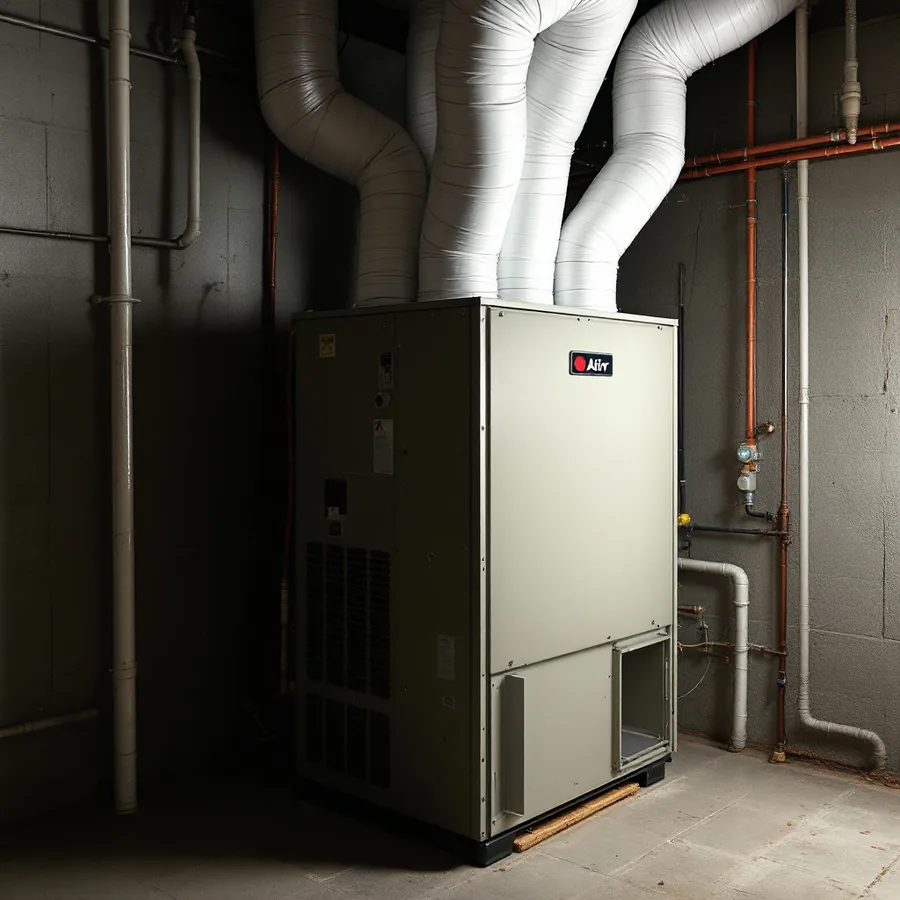
The standard replacement where ductwork already exists: an outdoor unit and an indoor coil or air handler feeding the same registers you have now. The most common type of heat pump transfers heat between the house and the outside air, and this is that, using the ducts you already own. Its performance is only as good as those ducts, which is why what the quote says about ductwork matters.
Ductless mini-split
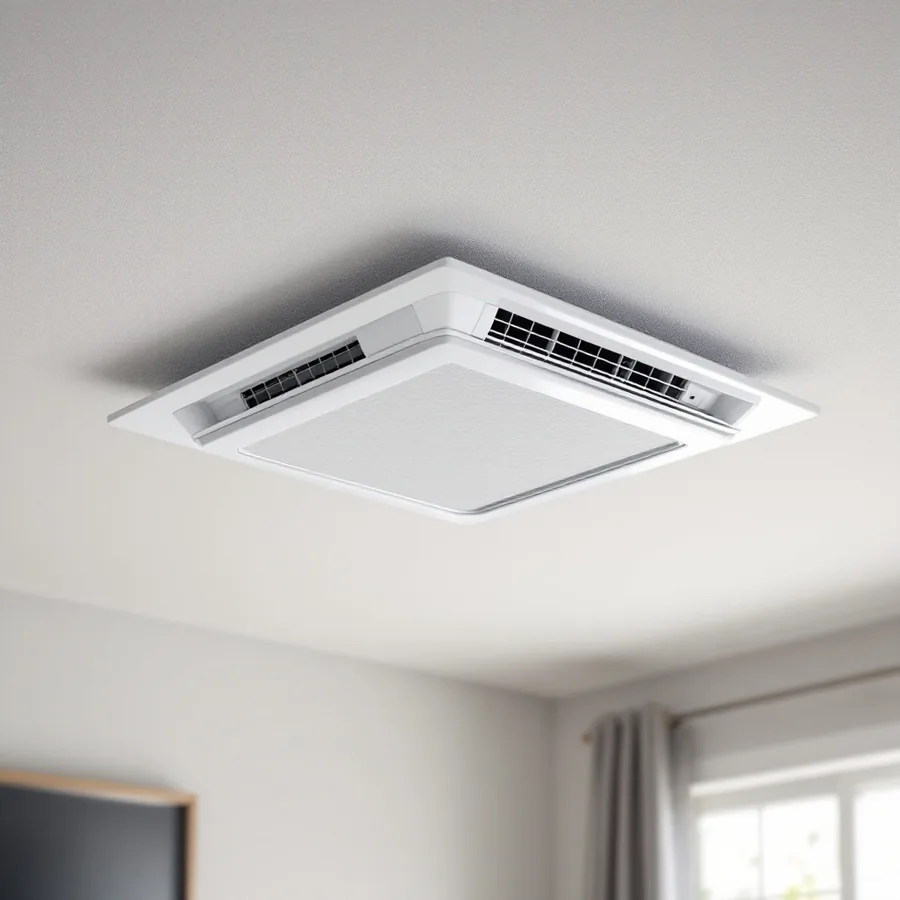
Wall or ceiling heads fed by small refrigerant lines, one or several, with no ducts at all. The obvious answer for houses heated by baseboards, for additions, and for rooms the existing system never satisfied. Each head is a zone, which is genuinely useful and also means several units to buy and maintain.
Ground source, or geothermal
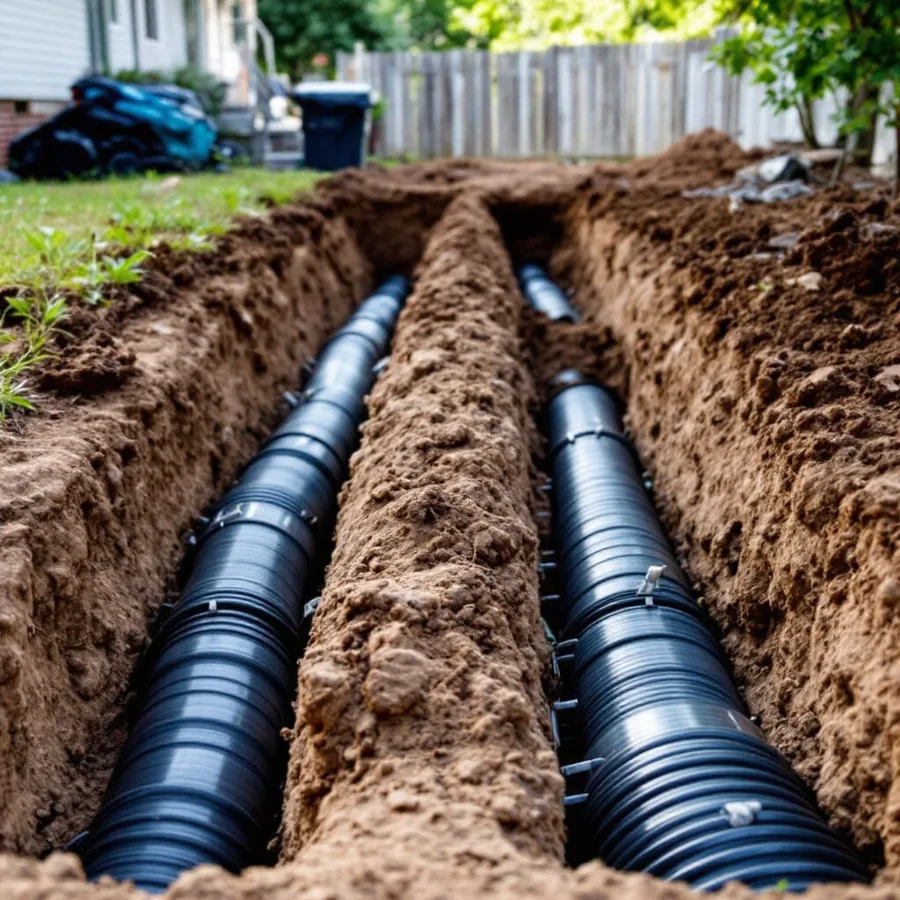
A geothermal heat pump collects heat from the ground rather than the air, so it is unaffected by the cold snaps that reduce an air-source unit's capacity. It is also a considerably larger project, because it involves excavation or boreholes. Highest efficiency, highest capital cost, longest payback, and the only one of the three where the site itself can rule it out.
Heat pump against central air conditioning
This comparison confuses people because there is less to it than they expect: a heat pump is central air conditioning, with a valve added. In summer the two machines do the same job by the same method, and a heat pump running in cooling mode is indistinguishable from an air conditioner of the same capacity. The difference appears only in winter, when one of them can also heat. So “central air or heat pump” is really the question of whether you want your cooling equipment to do a second job, and the incremental cost of that second job is modest.
What “inverter” means on a specification sheet
An inverter-driven or variable-speed compressor can run at part load instead of only on or off. That is what lets a modern unit hold a steady output for hours rather than cycling, and it is a large part of why cold-weather performance improved. Where you see it named on a quote, it is not marketing garnish — it is the feature behind the long, quiet runs that make a heat pump comfortable.
Inspection, and what a yearly visit should include
Because a heat pump works in both seasons it accumulates roughly twice the run hours of a cooling-only system, so annual inspection matters more here than elsewhere. A worthwhile visit checks both coils, the defrost control, the reversing valve operation, refrigerant charge, airflow and the back-up heat — and produces readings rather than a verdict. A visit that ends in a verbal “all good” with no numbers has told you nothing you can compare next year.
What we are not covering here
Heat pump water heaters and heat pump clothes dryers use the same principle for different jobs and are not part of this decision. Nor are brand comparisons: model ranges change every year, and a page that ranks them is out of date before it is useful. What does not change is how to specify one, which is what this page is for.
The Question Asked Plainly
What are the disadvantages of a heat pump?
Asked directly and usually answered evasively, because most pages on this subject are written by people selling them. Six real ones, and what each is worth.
- The air from the registers is cooler. Warm rather than hot, over longer runs. The room reaches the same temperature, but the sensation is different and some households never stop noticing it. This is the most common genuine complaint and it is not a fault.
- Higher purchase price than a like-for-like furnace, before any rebate. You are also buying cooling in the same box, so the comparison is only fair against a furnace plus an air conditioner — but if you were replacing only heating, the up-front number is larger.
- It depends on your electricity price. A furnace is insulated from electricity rates; a heat pump is not. In a region with cheap gas and expensive electricity the running-cost advantage narrows and can disappear, which is the case this page has been explicit about throughout.
- Electrical work is often required. Panel capacity is the commonest unbudgeted line, and on an older house it can be a significant separate project rather than a small addition.
- Cold snaps call on back-up heat. Even good cold-climate equipment hands over below its design point, and back-up is usually electric resistance, which is expensive. How often that happens is set by specification, not by luck.
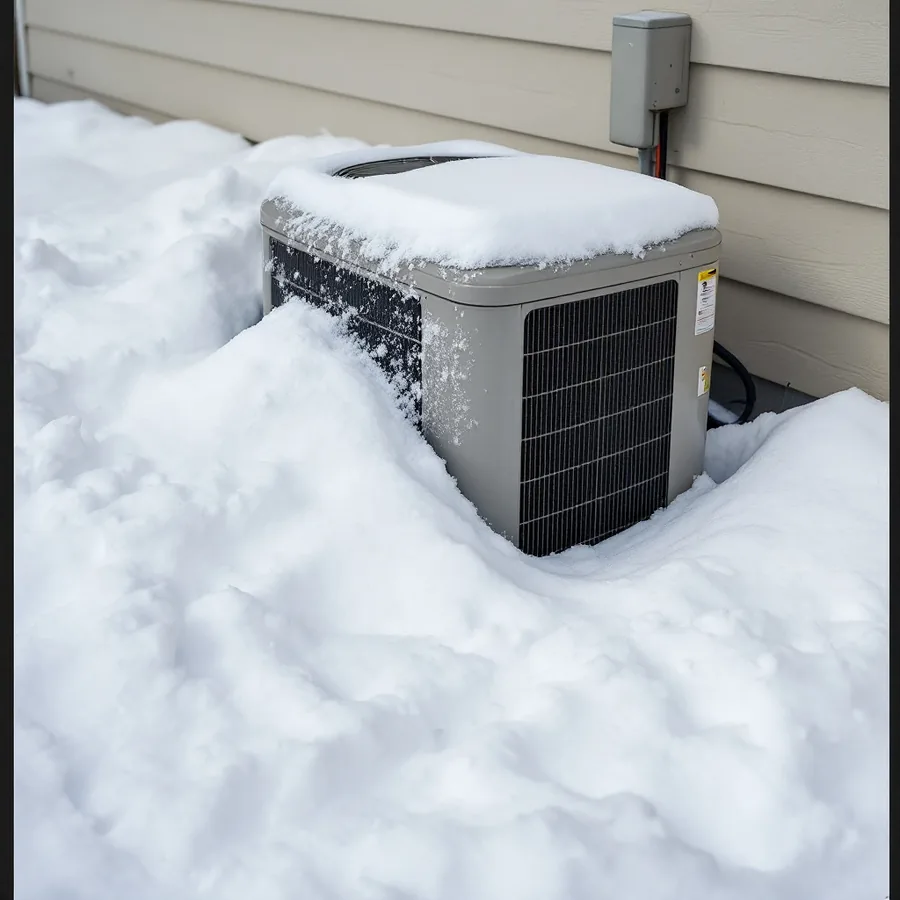
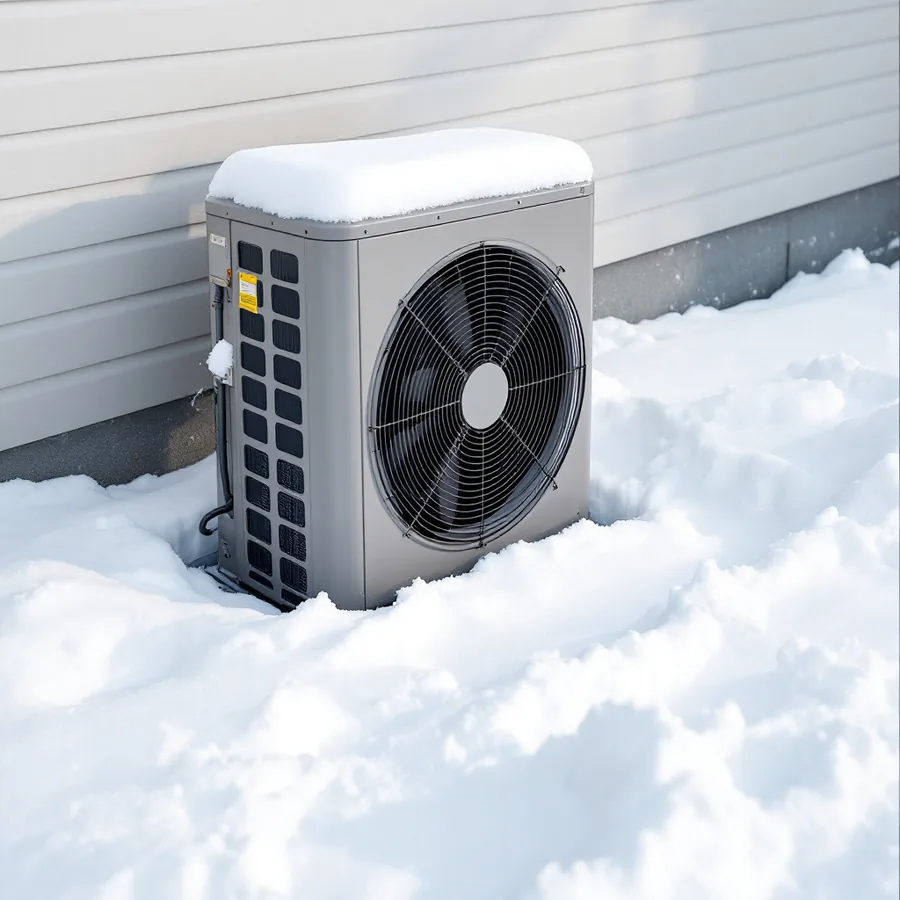
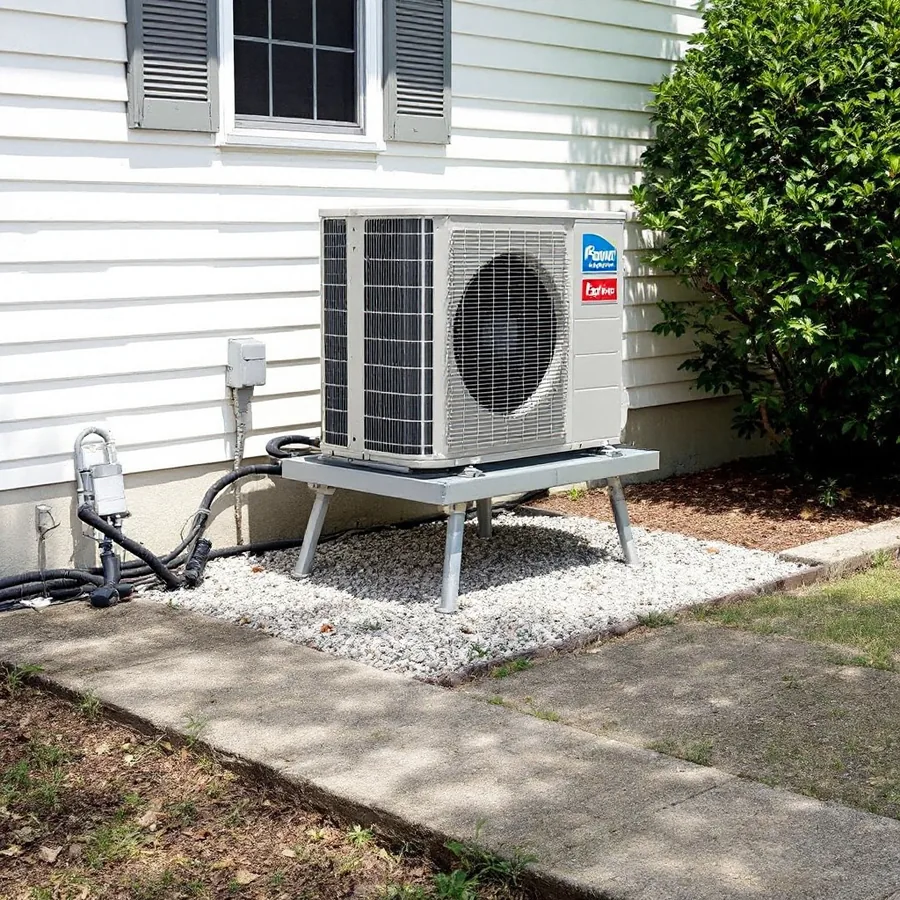
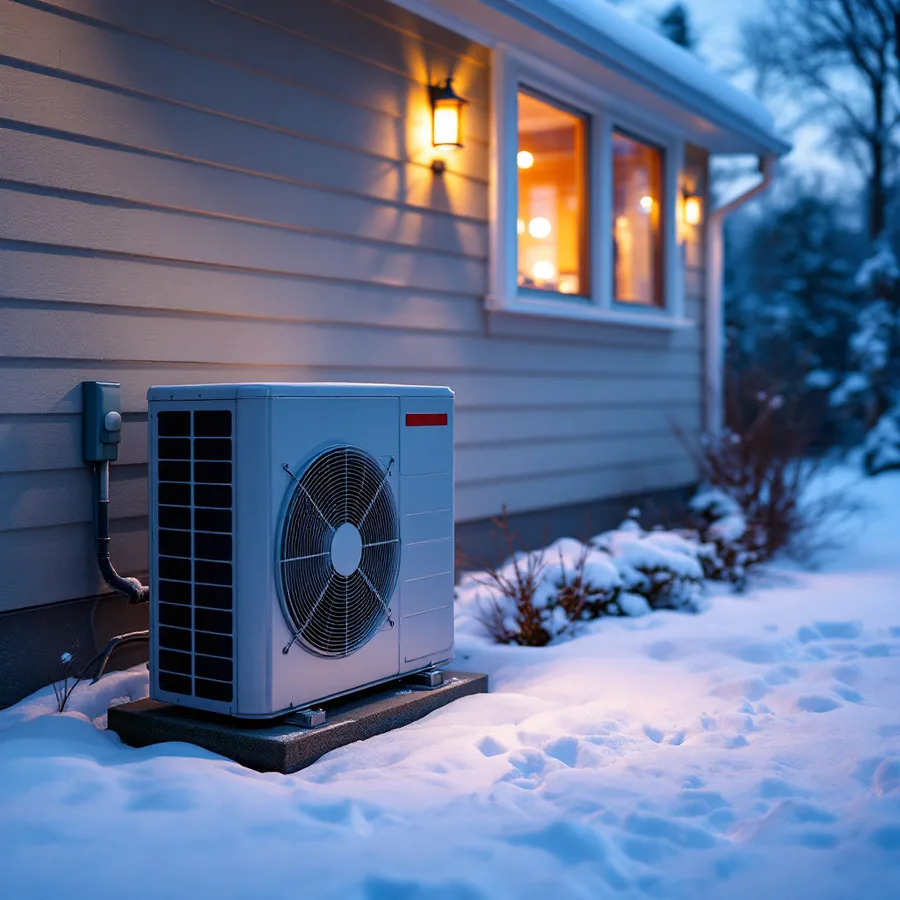
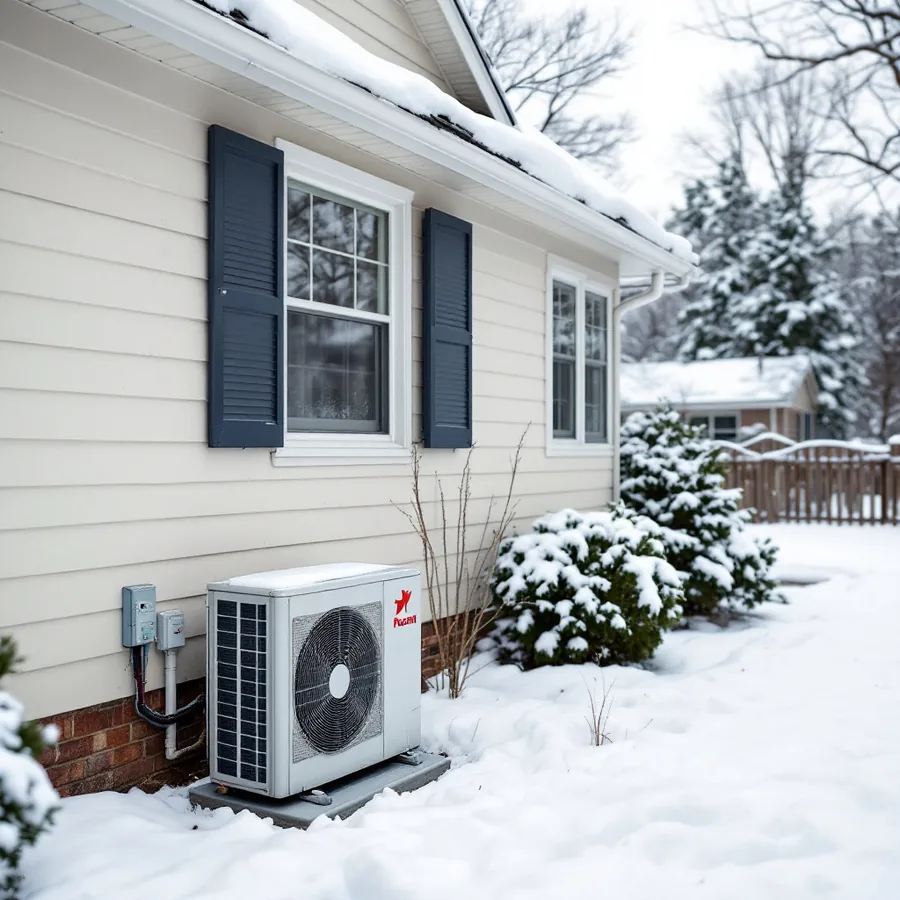
- It runs all year, so it wears all year. An air conditioner rests for half the year; a heat pump does not. Annual maintenance matters more, and the outdoor unit needs clearance in January as much as in July.
What is not on that list
“Does not work in the cold” is not a disadvantage of modern certified equipment — it is a disadvantage of the equipment people remember from twenty years ago, and the distinction is now measurable rather than rhetorical. Nor is noise: current outdoor units are generally quieter than the air conditioners they replace.
After It Is Installed
Living with a heat pump
Three habits differ from a furnace, and all three cause unnecessary service calls in the first winter.
When something is actually wrong
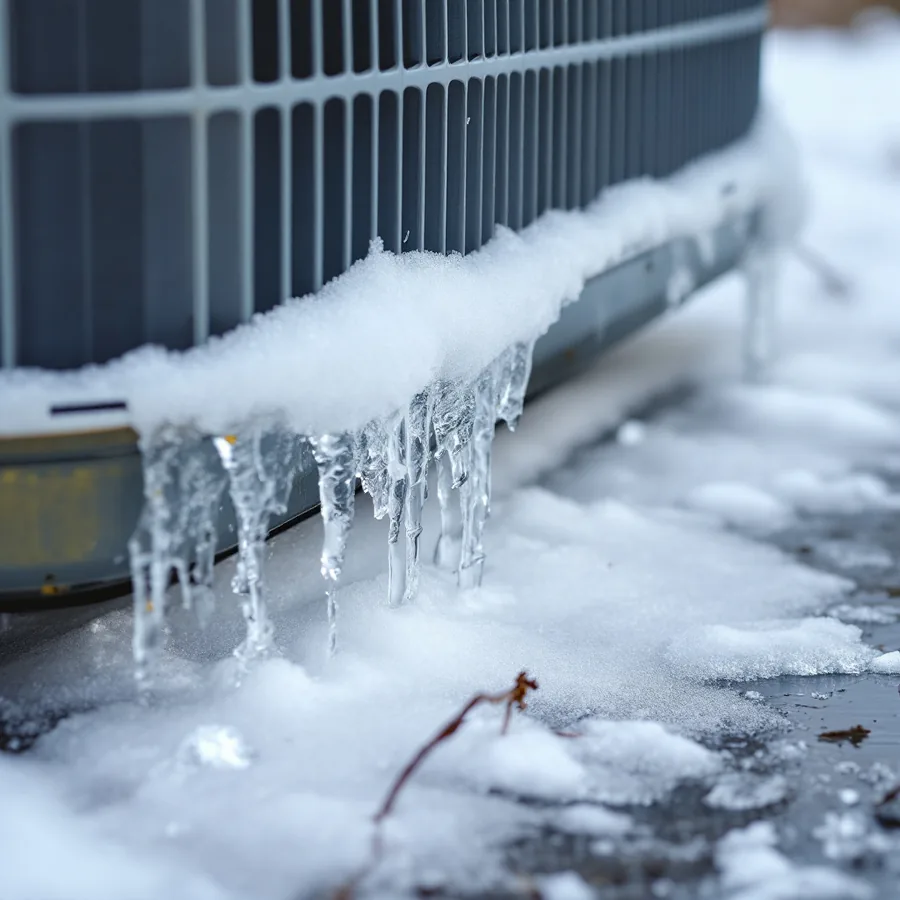
A heat pump that runs constantly without warming the house, blows cold air in heating mode outside of a defrost cycle, or freezes solid in summer has a fault rather than a habit. Those symptoms and what they point at are on our page about a system that is not cooling or heating, because the diagnosis is the same machine either way.
Specifying One
What to ask before you sign
A heat pump is more sensitive to installation quality than a furnace, because it runs longer, at lower temperatures, and closer to the limits of the duct system it inherits.
- Capacity at the design temperature, in writing. Not at 47°F. The number that matters is what the unit delivers on your coldest normal day, and it is published for every certified model.
- Whether it is certified for cold climate, if you have real winters. That designation requires third-party verified performance tested to 5°F, and it is a fact about the model rather than a claim about the brand.
- What the back-up heat is, and what it costs to run. Electric strips, an existing gas furnace in a dual-fuel arrangement, or nothing at all are three different answers with three different winters attached.
- What the electrical panel needs. The commonest unbudgeted line on a heat pump quote. Ask whether a panel upgrade is included, quoted separately, or assumed away.
- What happens to the ductwork. A heat pump moves more air at lower temperature than a furnace, so ducts that were adequate before can become the limiting factor. Static pressure measured before and after is the evidence.
- The load calculation. Oversizing is worse here than with a furnace: it removes the long steady run that makes a heat pump comfortable and efficient in the first place.
The same four questions that make any two replacement quotes comparable apply here, and they are set out with what a weak answer sounds like on the replacement cost page.
Straight Answers
Heat pump questions, answered
What is a heat pump, and what’s a heat pump in plain terms?
It is an air conditioner with a valve that lets it run in both directions. It uses electricity to move heat rather than to make it: in winter it collects heat from the outdoor air and releases it indoors, and in summer it does the reverse. Because it is moving heat rather than generating it, it can deliver up to three times more heat energy to a house than the electrical energy it consumes.
Do heat pumps work in cold weather?
Modern ones do, and it is now verifiable rather than arguable. ENERGY STAR certification requires third-party verified performance at low temperatures, with air-source heat pumps tested down to 5°F, and federal work on cold-climate models reports up to 70% savings against electric resistance heat. Ask for the unit's rated capacity at your design temperature rather than at 47°F.
Is a heat pump cheaper to run than a furnace?
For most households, yes: federal analysis finds that over 90% of assessed households replacing worn-out heating equipment with a properly matched heat pump save on energy bills, with the largest savings for homes on heating oil, propane or older electric heat. The narrowest case is cheap natural gas combined with expensive electricity, where the margin can reach zero. The deciding number is the ratio of your electricity price to your fuel price, which is on your own bills.
How much does a heat pump cost?
We do not publish national averages, because the spread between a ductless single head and a whole-house ducted system with a panel upgrade is larger than any average is worth. What decides your number is capacity, whether ductwork or electrical work is needed, and access. Those variables and how to read a quote against them are set out on our replacement cost page.
Is there still a tax credit for heat pumps?
Not for work done now. The federal Energy Efficient Home Improvement Credit applied to equipment placed in service through 31 December 2025. A separate federally funded, state-administered rebate programme continues for households under 150% of area median income, covering up to 100% of cost below 80% AMI and up to 50% between 80% and 150%, capped at $8,000 for a heat pump and $14,000 combined.
Why is my heat pump blowing cool air?
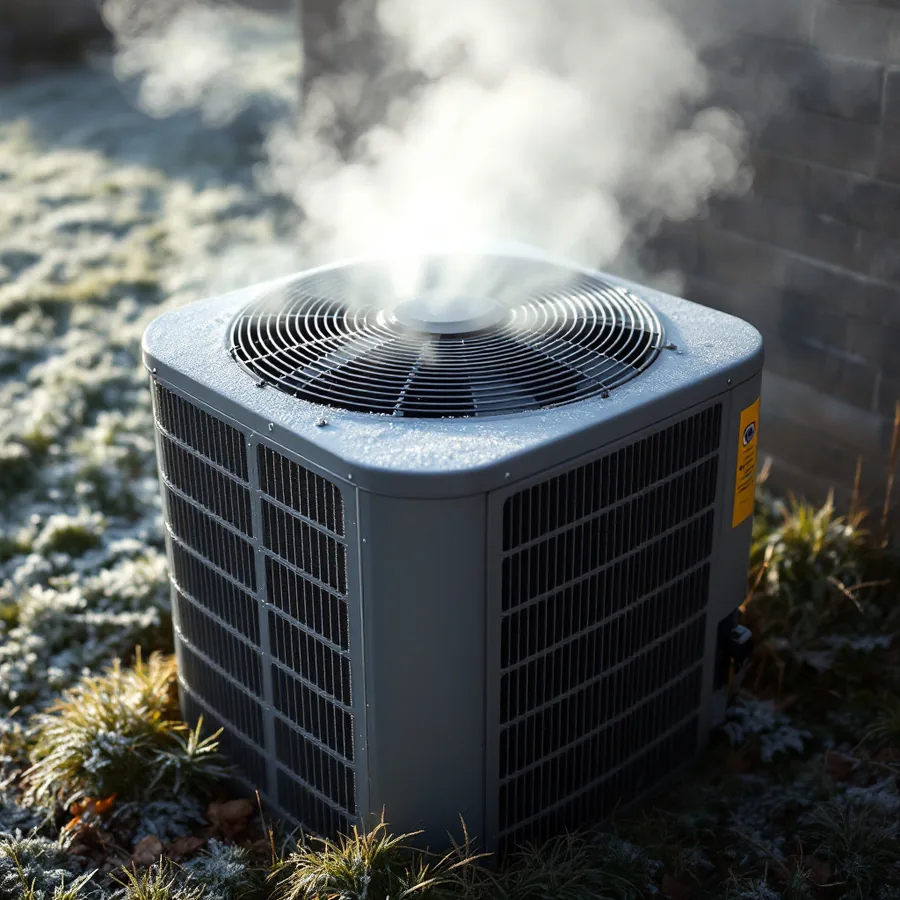
Usually because that is how it works. Air from the registers is cooler than furnace air and the system runs for longer to reach the same room temperature. It may also be in a defrost cycle, which is brief and normal in cold damp weather. If the house is genuinely not warming, or the outdoor unit stays encased in ice, that is a fault rather than a habit.
What is emergency heat and when should I use it?
It runs the back-up heat directly, bypassing the heat pump, and it is for a failure of the heat pump rather than for a cold day. Left switched on by mistake it produces a memorable electricity bill. On a working system it should stay off.
Ducted or ductless?
Usually decided by the house. Where ducts exist and are in reasonable condition, a ducted system replaces like with like. Where there are none — baseboard-heated houses, additions, rooms the system never satisfied — ductless heads avoid the cost of installing ductwork, which can be a large part of the project.
Do you sell or install heat pumps?
No. We are a matching service, paid for the introduction rather than for the size of the job, so a heat pump earns us exactly what a small repair does. We publish research and connect homeowners with independent licensed and insured heating and cooling companies.
Where This Comes From
Sources
- How heat pumps work and what they save — U.S. Department of Energy: for most Americans, a heat pump can lower bills, and DOE, pump up your savings with heat pumps.
- Cold-climate certification and the 5°F test — ENERGY STAR, air-source heat pumps.
- Cold-climate research and savings against resistance heat — DOE, energy-efficient heat pumps for colder regions, and DOE cold-climate heat pump partnership.
- The federal tax credit and its end date — IRS, Energy Efficient Home Improvement Credit, and ENERGY STAR on the heat pump credit.
- The state-administered rebate programme — ENERGY STAR on the Home Electrification and Appliance Rebates, and DOE home energy rebate programs.
- Purchasing guidance and efficiency metrics — DOE, purchasing energy-efficient residential air-source heat pumps.
- Certification criteria for air-source heat pumps — ENERGY STAR key product criteria, and the DOE cold-climate air-source heat pump handout.
- Equipment ratings as tested — AHRI certified product directory.
Our editorial standards explain how we source and check what we publish. Incentive rules change; the date on this page is when we last checked them against the IRS and ENERGY STAR. Nothing here is tax advice or a quote, and we are a referral service rather than a contractor. Last updated .
Before you call anyone
The independent match — we are paid for the introduction, not for the size of your job
Most roofing advice is written by the company that wants to do the work. That is not a failing of the people who read it; it is a defect in who is talking. The estimate, the diagnosis and the invoice come from one party, and no amount of care on your side fixes that.
We are built the other way round. We do not repair roofs and we do not sell materials, so the payment reaches us when you are connected to a licensed, insured roofing company — the same amount whether your roof needs an eight-hundred-dollar repair or a twenty-thousand-dollar replacement. Nobody here has a reason to talk you into the larger number. How we make money and how we research are both written down.
Waiting is the one thing that actually costs money. An insurance clock runs from the date of the damage rather than the date you noticed it, and damage that sits through a season stops reading as sudden and starts reading as wear — which is the exclusion that pays nothing. And if your roof is simply worn out, say so on the call. No claim will pay for age, we will tell you that plainly, and you will have lost nothing but the call.